

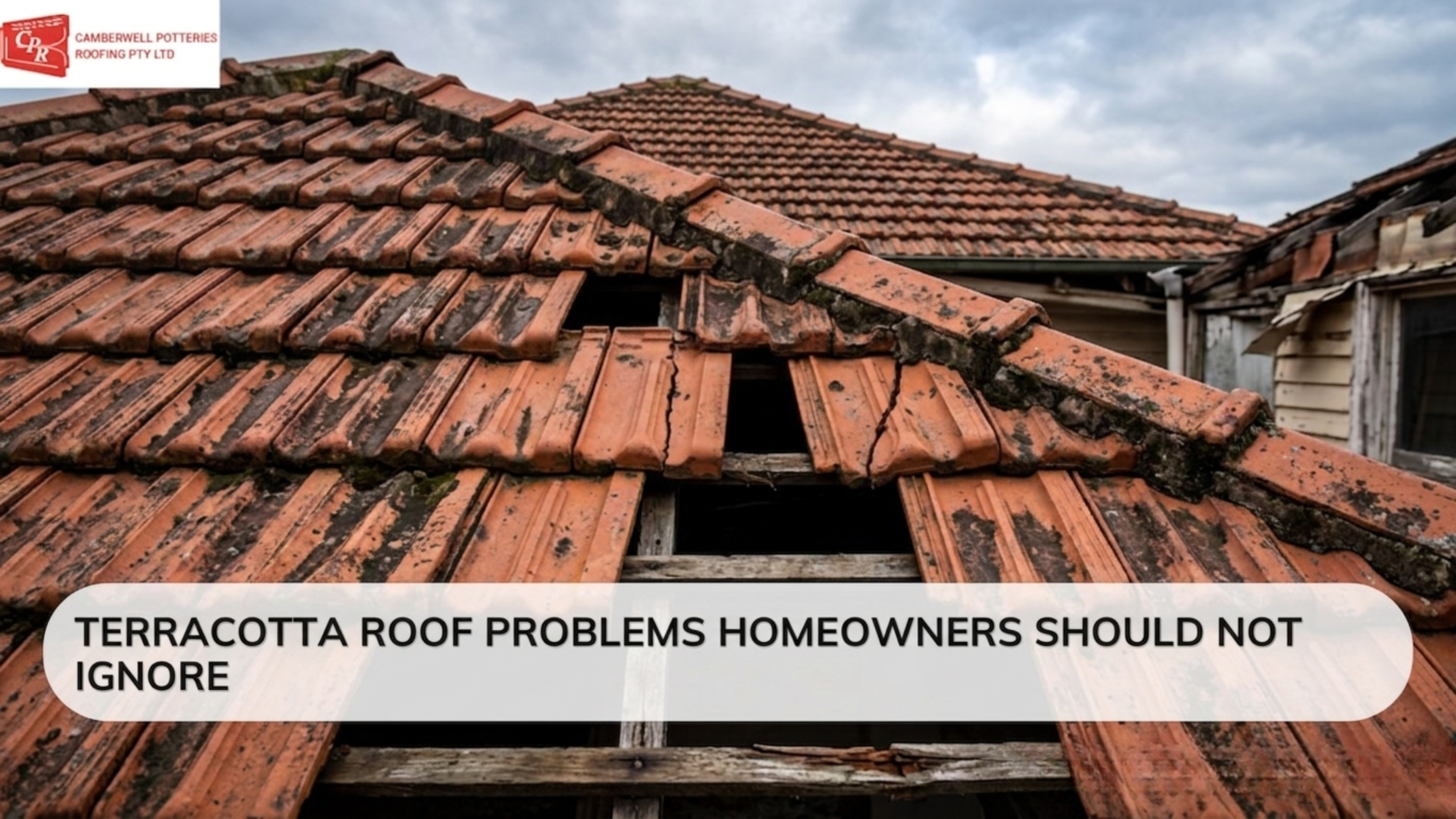
Terracotta Roof Problems Homeowners Should Not Ignore
Terracotta has been covering Australian homes for well over a century. It handles heat, frost, salt air, and heavy rain better than most other roofing materials. But even the best material on the market develops problems over time, and terracotta is no exception. The difference between a minor repair and a major structural job usually comes down to how early the problem is caught. A qualified roofing company Melbourne homeowners trust will tell you the same thing every time: terracotta problems are almost always cheaper to fix early than late.
These are the most common problems that show up on terracotta roofs across Melbourne, and exactly what needs to happen to fix each one.
The Most Common Terracotta Roof Problems at a Glance
| Problem | Urgency Level | Left Untreated |
| Cracked or broken tiles | High | Water entry, structural damage |
| Ridge capping failure | High | Leaks at the roof peak |
| Moss and lichen growth | Medium | Moisture retention, tile degradation |
| Deteriorating bedding mortar | High | Ridge tiles are shifting and slipping |
| Flashing damage | High | Persistent leaks around penetrations |
| Tile surface flaking | Medium | Coastal salt damage, aesthetic decline |
| Misaligned tiles | Medium | Gaps that allow water and pests in |
1. Cracked or Broken Tiles
This is the most visible problem on any terracotta roof. Individual tiles crack from hail impact, fallen branches, and foot traffic during earlier repair work. Temperature fluctuations also cause expansion and contraction, which creates hairline fractures over time.
A cracked tile does not automatically mean a leak today. It means a leak is coming. Water finds its way through hairline cracks gradually, and by the time a ceiling stain appears, the water has usually been entering for weeks.
How it gets repaired:
A licensed roofer sources matching replacement tiles from the original profile range. Terracotta comes in dozens of profiles, so matching matters both functionally and visually. The damaged tile is removed carefully without disturbing the surrounding tiles. The replacement is seated properly and checked against the water-shedding alignment of the whole row.
Roof tile damage signs to watch for from the ground include visible breaks, missing sections on any tile face, or tiles sitting at a slight angle compared to those around them.
2. Ridge Capping Failure
Ridge capping sits at the peak of the roof and along the hips. It is held down by a cement mortar bed and sealed with a flexible pointing compound. Over decades of Melbourne weather, that mortar dries out, hardens, and cracks. Once it goes, the ridge tiles can shift, and water enters directly into the roof cavity below.
This is one of the leading roof deterioration causes on older terracotta roofs across Melbourne’s inner and middle suburbs.
How it gets repaired:
The old, crumbling mortar is completely removed. New cement mortar is laid as a fresh bedding base. A modern flexible pointing compound is then applied over the top, designed to move slightly with temperature changes without cracking. Flexible pointing can accommodate around 17mm of movement before it fails, which makes it far more durable than the rigid mortar it replaces.
3. Moss, Lichen, and Algae Growth
Moss and lichen on a terracotta roof look cosmetic from the ground. They are not purely cosmetic. Both organisms retain moisture against the tile surface. That constant dampness accelerates wear and eventually causes the tile surface itself to break down.
Roofing wear and tear in Australia is significantly accelerated by biological growth, particularly on south-facing slopes and under tree canopies, where shade keeps tiles damp for longer periods.
How it gets repaired:
Terracotta requires a soft-wash treatment rather than high-pressure cleaning. High pressure damages the tile surface. A fungicidal cleanser is applied first to kill spores and weaken the attachment of existing growth. Within 2 to 3 weeks, the moss and lichen die and begin to break down naturally. A follow-up anti-fungal treatment inhibits regrowth. Most roofs treated this way remain clear for 9 to 10 years before new growth needs attention again.
4. Deteriorating Bedding Mortar
The bedding mortar is distinct from the pointing compound. It sits underneath the ridge tiles as the structural base. When it deteriorates, ridge tiles lose their secure seating and begin to shift. This is often what causes ridge tiles to slide down the hip line or sit visibly out of alignment.
Terracotta roof tiles Melbourne that are 30 or more years old commonly show this problem, particularly if the original mortar was never updated after installation.
How it gets repaired:
All loose or deteriorated bedding is removed and replaced with fresh cement mortar. Every ridge tile is checked for correct seating before the new flexible pointing goes over the top. The combination of fresh bedding and flexible pointing gives the ridge capping a significantly extended lifespan compared to either product used alone.
5. Flashing Damage
Flashings are metal strips that seal the junction between roof tiles and fixed structures such as chimneys, skylights, and roof valleys. They are almost always the weak point on older roofs. Metal flashings warp, corrode, and lift over time, particularly after periods of extreme heat followed by cold.
A flashing problem does not always immediately produce an obvious leak. Water often tracks along the timber batten beneath the tiles before entering the ceiling, making the source difficult to identify without a proper inspection.
How it gets repaired:
Damaged or corroded flashings are replaced with new Colorbond or Zincalume metal. Lead flashings around chimneys on older heritage properties are carefully reinstated to match the original profile. All junction points are checked and resealed as part of the repair.
6. Tile Surface Flaking
This problem is more common on terracotta roofs in coastal Melbourne suburbs. Salt air gradually breaks down the tile surface, causing it to flake and deteriorate in a way that looks similar to a skin condition on the roof. Surface flaking does not immediately compromise waterproofing, but it signals that the tile has begun to degrade from the outside in.
How it gets repaired:
Mildly flaking tiles are soft-washed first to remove biological growth from the degraded surface. Once dry, a clear penetrating sealer is applied to reduce the tile’s porosity and slow further salt ingress. Tiles where the flaking has progressed too deeply are replaced individually. Sealing a structurally compromised tile does not restore it.
Terracotta roof maintenance in coastal areas specifically benefits from periodic sealing to reduce the porosity of the tile surface. A clear penetrating sealer applied after cleaning significantly slows salt-related surface damage and extends the tile’s serviceable life.
7. Misaligned Tiles
Over time, particularly on roofs in elevated or exposed locations, tiles gradually shift from their original position. The gaps between tiles widen slightly. Water that should sheet off the surface starts finding its way into the gaps instead. Pests also find misaligned tiles easier to enter through.
A roof inspection checklist tile assessment always includes checking tile alignment across every slope, particularly after significant storm events. Misalignment is one of those problems that looks minor from the ground but creates genuine risk at the tile join level.
How it gets repaired:
Tiles are carefully realigned by hand and checked against the correct overlap position. Any tiles that have warped significantly are replaced. The repair is straightforward when caught early. Left too long, misalignment accelerates wear on the surrounding tiles as water is repeatedly directed into the wrong drainage path.
How to Catch These Problems Before They Become Expensive
The single most effective thing a homeowner can do is look at the roof regularly and book a professional inspection every two to three years. Most of the problems above are straightforward and affordable to fix when caught early. The same problems, left for five or six years, involve water damage to the timber frame, the ceiling, and sometimes the internal walls.
Practical ways to prevent roof damage early:
- Check the roof from the ground with binoculars after every significant storm
- Clear gutters twice a year so water drains away cleanly rather than backing up
- Treat moss as soon as it appears, rather than waiting until it covers a full slope
- Book a professional inspection before and after winter each year
- Never walk on terracotta tiles without guidance from a qualified roofer
Roof inspection checklist tiles assessment from inside the home is equally important. A damp smell in the roof cavity, water stains on the ceiling, or visible light through the ceiling space all indicate active water entry that needs attention immediately.
Getting the Right Help
Terracotta roof maintenance is not complicated. It requires consistent attention and a qualified roofer who understands the specific characteristics of the material. Terracotta behaves differently from concrete and requires different cleaning methods, different repair compounds, and different handling during any work on the roof surface.
Camberwell Potteries Roofing has been working on terracotta roofs across Melbourne for over 60 years as the roofing company Melbourne homeowners return to generation after generation. The team is accredited as CSR Roofing Specialists with a 50-year performance guarantee on all work completed.
If your terracotta roof is showing any of the signs described above, an inspection is the right first step. Call 03 9888 7088 or contact the team online.
Related reading
- How long terracotta roofing lasts — and what actually fails first
- Can you paint terracotta tiles? — the honest answer
- Heritage roof restoration — matching an out-of-production profile
- Roof restoration — cleaning, re-bedding, repointing and recoating


