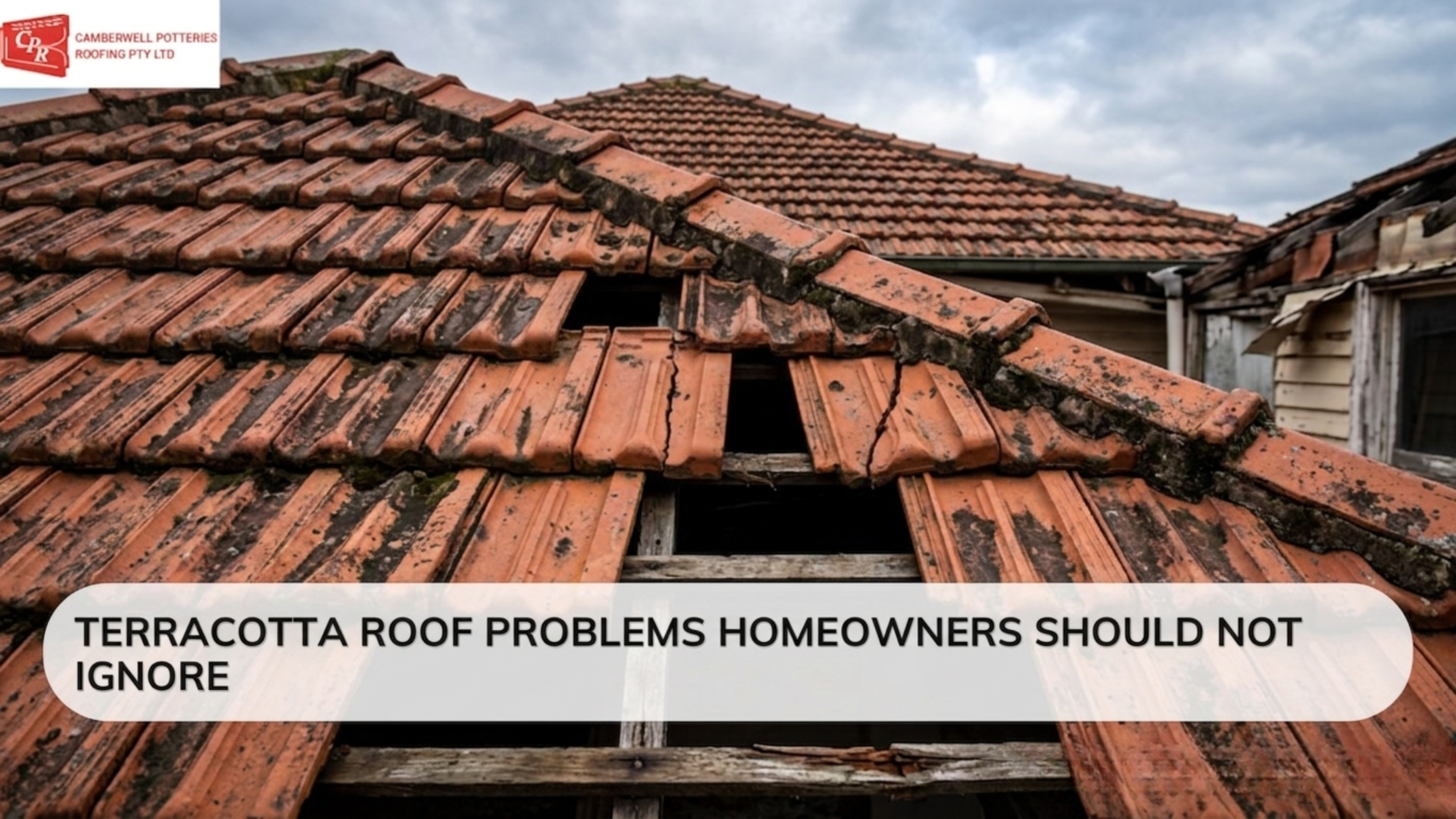


Roof Restoration vs Roof Replacement in Melbourne: How to Choose the Right Option?
Did you know that a lot of Melbourne homeowners delay roof repairs until the damage becomes severe – and that ends up costing them two to three times more? Your roof is not just a structure sitting above your head. It is the first line of defence your home has against harsh weather, heavy rain, and the blazing Australian sun. Choosing between a roof restoration and a full replacement is one of the biggest decisions you will face as a homeowner. Get it right – and you save thousands. Get it wrong – and you are dealing with leaks, structural issues, and sleepless nights.
This guide breaks it down clearly. Whether you are working with a roofing company in Melbourne or just doing your homework, read this before you commit to anything.
What Does Roof Restoration Actually Mean?
Roof restoration is the process of cleaning, repairing, and recoating your existing roof. It targets aged roof problems – like cracked tiles, moss buildup, faded surfaces, and minor leaks. This way, your roof gets a new lease on life without tearing everything off.
The roof restoration benefits are hard to overlook. It is cost-effective. It is quicker. Not only that, but it also extends the life of your existing roof by 10 to 15 years when done correctly. For homeowners with terracotta or concrete tiles that are still structurally sound, restoration is often the smarter call.
What Is Roof Replacement and When Is It Needed?
Replacement means stripping off the old roofing material entirely and starting fresh. This is the right move when your roof has gone beyond repair. Think widespread damage, heavy water ingress, rotting timber under the tiles, or a roof that is simply past its lifespan.
The roof replacement benefits show up in the long run. You get brand-new materials, improved insulation, better energy efficiency, and peace of mind for the next 40 to 50 years. That said, replacement comes with a higher upfront cost. Therefore, it makes sense only when restoration is no longer a viable option.
How to Assess Your Roof: A Simple Roof Condition Assessment Melbourne Guide
Before you call anyone, take a moment to assess where your roof actually stands. Here is a straightforward roof restoration checklist you can use:
- Check for visible cracks or broken tiles
- Look for moss, lichen, or dark staining
- Inspect the gutters for tile granules or debris
- Check the ceiling inside for water stains or damp patches
- Note the age of your roof – anything over 20 years needs a close look
A proper roof condition assessment Melbourne by a qualified professional will go even deeper – checking the timber structure, flashing, valleys, and ridge capping. This is not something to skip.
Quick Comparison: Roof Restoration vs Roof Replacement
| Factor | Roof Restoration | Roof Replacement |
| Cost | Lower – typically $3,000 to $8,000 | Higher – typically $15,000 to $30,000+ |
| Time to Complete | 2 to 5 days | 5 to 10 days |
| Lifespan Added | 10 to 15 years | 40 to 50 years |
| Best For | Minor to moderate damage | Severe or structural damage |
| Disruption Level | Low | Moderate to High |
| Material Reuse | Existing tiles reused | Old materials fully removed |
Aged Roof Problems – Warning Signs You Should Not Ignore
Aged roof problems tend to creep up quietly. One day it is a small stain on the ceiling. The next – you are dealing with a full-blown structural issue. Here are the red flags that suggest you are past the restoration stage:
- Multiple areas of tile failure across the roof
- Rotting or sagging roof deck
- Persistent leaks that keep coming back after repairs
- Roof age exceeding 40 to 50 years with no prior work done
If you tick more than two of these boxes, replacement is likely the better path. That way, you avoid patching problems that will only resurface in a year or two.
What About Terracotta Tiles Melbourne Homes Often Have?
Many older Melbourne homes are fitted with terracotta tiles Melbourne style – and these tiles have a unique place in the restoration vs replacement conversation. Terracotta is durable. When maintained well, these tiles can last 50 to 100 years. Likewise, a well-executed restoration on terracotta can be a game-changer.
That said, if the tiles are crumbling underneath the surface or the ridge capping has completely deteriorated, replacement becomes the only option. Terracotta tiles also require specific re-bedding and re-pointing work. Hereby, any contractor you hire must understand these materials inside out.
Roof Restoration vs Roof Replacement: A Decision Framework
| Roof Condition | Recommended Action |
| Tiles are intact but faded or dirty | Restoration |
| Minor cracks and surface wear | Restoration |
| Broken tiles in isolated areas | Restoration with tile replacement |
| Widespread breakage or movement | Replacement |
| Structural timber damage | Replacement |
| Roof older than 50 years with no history of work | Full assessment, likely replacement |
Why Does the Right Roofing Company, Melbourne Matters?
The quality of the outcome – whether it is a restoration or a replacement – depends heavily on who you hire. A skilled roofing company in Melbourne will give you an honest assessment. They will not push you toward the more expensive option if your roof does not need it. They will also use quality materials that actually last.
Camberwell Potteries Roofing has been serving Melbourne homeowners for over 60 years. They carry a 50-year performance guarantee and are accredited CSR roofing specialists. Not only that, but they have handled large-scale re-roofing projects for schools, golf clubs, and heritage buildings – so your home is in experienced hands.
Final Thoughts
Here is the truth – there is no universal answer. Your roof, your budget, and your long-term plans all play into this restoration or replacement roofing decision. What matters is getting a proper assessment done before you commit. A rushed decision either way can cost you dearly.
Take the time to understand your roof’s current condition. Use the checklist above. Speak to a specialist who knows Melbourne’s climate and building styles. That way, you make a choice you will not regret five years from now.

What to Expect During a Roof Replacement Project in Melbourne?
Your roof rarely demands attention. Until one day it does. A sudden leak appears. Tiles slide after a storm. Water stains creep across ceilings. That is usually when homeowners begin thinking about new roof installation.
Here is something that surprises many Australians. Hail alone accounts for more than 20% of insured natural disaster losses in Australia, showing how severe weather can impact roofs and property structures. Weather changes hit harder than expected. Heat expands materials. Rain weakens layers slowly. Storms test every corner of your property.
A roofing contractor Melbourne homeowners trust will often say the same thing. Roof replacement is not just construction. It is protection planning. The roof replacement project steps may look overwhelming at first glance. Yet, once you understand the flow, the process feels manageable. This way, you stay prepared instead of panicked.
Let us walk through what actually happens during a roof replacement process so nothing catches you off guard:
Why Planning A Roof Replacement Changes Everything?
Most people wait too long. They patch small leaks. They ignore loose tiles. That delay usually turns minor fixes into full replacements.
Planning a roof replacement early helps you stay in control. Not only that, but it gives you time to compare materials. It helps you budget calmly. Hereby, you avoid rushed decisions during emergencies.
A proper plan usually includes:
- Understanding roof age
- Choosing roofing materials
- Setting project timelines
- Preparing for household safety
- Booking inspection visits
This way, your residential roof replacement guide begins smoothly rather than stressfully.
Roof Inspection Before Replacement: Where The Truth Shows Up?
Every strong roof replacement begins with honesty. A thorough roof inspection before replacement reveals what your roof hides beneath tiles or sheets.
Inspectors often discover more than visible damage. Moisture builds silently. Timber weakens slowly. Insulation loses strength without warning.
During inspection, professionals usually check:
- Structural framing stability
- Tile or sheet condition
- Drainage effectiveness
- Leak movement patterns
- Insulation performance
This way, contractors recommend the right new roof installation method. That way, future repairs stay minimal.
Inspection Overview
| Area Checked | Why It Matters | Result For Homeowners |
| Structural Frame | Detects weakness | Prevents future sagging |
| Insulation | Controls indoor comfort | Reduces energy loss |
| Water Damage | Stops mould formation | Improves air quality |
| Drainage Channels | Maintains water flow | Extends roof lifespan |
What are the Key Steps Involved in Roof Replacement?
Step 1: Preparing Your Property Before Work Begins
The first day often feels busy. Trucks arrive. Equipment appears. Safety barriers get installed.
Contractors prepare the area carefully. Gardens get covered. Outdoor furniture gets shielded. Gutters receive protection layers.
This way, falling materials will not damage the surroundings. Likewise, scaffolding helps workers move safely across roof edges.
Homeowners may notice increased noise. That is normal. Pets might feel uneasy. Moving fragile items indoors helps avoid accidental damage.
Step 2: Removing The Existing Roof Materials
This stage feels dramatic. Old tiles come off quickly. Metal sheets get detached. Debris builds fast. Watching this transformation feels surprising for many homeowners.
Removing old materials allows contractors to check hidden layers. Rotten timber sometimes appears underneath. Moisture pockets often sit unnoticed for years.
This step forms a major part of the roof replacement project steps. Without removing damaged materials completely, new installations may fail earlier than expected.
Professionals usually clear debris daily. This keeps your property safe and organised.
Step 3: Repairing The Roof Structure
Now the real strengthening begins. Contractors repair the skeleton of your roof. Battens get replaced. Underlayment layers get reinforced. Ventilation gaps get adjusted.
This stage protects the long-term performance of your roof replacement process. Skipping repairs creates weak spots. Weak spots invite leaks later.
Structural Repair Workflow
- Contractors check the timber supports to ensure the roof frame remains strong.
- Damaged battens are replaced to create a stable base for new roofing materials.
A waterproof membrane is installed to prevent moisture from entering the structure. - The ridge structure is reinforced to improve overall durability.
- Ventilation pathways are inspected to maintain proper airflow and temperature balance.
These repairs help the roof remain strong against Melbourne’s changing weather conditions.
This way, your roof stands stronger against Melbourne weather patterns.
Step 4: Installing New Roofing Materials
Here comes the exciting part. Your home starts looking new again. Contractors install selected roofing materials carefully.
Australian homeowners often choose:
| Roofing Material | Why Homeowners Prefer It |
| Terracotta Tiles | Long lifespan and strong insulation |
| Concrete Tiles | Cost balance and durability |
| Metal Roofing | Lightweight and weather-resistant |
During new roof installation, alignment plays a huge role. Small positioning errors create water entry points. Skilled installation prevents that risk.
Not only that, but proper layering improves thermal performance inside your home.
Step 5: Flashing And Waterproof Protection
This stage rarely gets attention. Yet, it protects the most vulnerable roof areas. Flashing seals joints around chimneys and valleys. Ridge capping locks tile rows together.
Water usually enters through weak sealing points. Strong waterproof layers block that entry completely.
This way, your home avoids hidden moisture damage. That way, maintenance stays minimal for years.
Step 6: Cleanup And Final Inspection
Once installation finishes, contractors clean the surrounding areas thoroughly. Nails, broken tiles, and dust get removed.
The final inspection checks:
- Tile alignment
- Drainage flow
- Waterproof seals
- Structural strength
Professional teams follow Australian roofing safety standards. This ensures long-term performance reliability.
How Long Will A Roof Replacement Take?
Every project timeline varies slightly. Roof size matters. Weather plays a major role.
Expected Project Duration
| Property Size | Project Time |
| Small Homes | 2 to 3 Days |
| Standard Houses | 3 to 5 Days |
| Large Properties | 5 to 7 Days |
Rain delays are common. Contractors adjust schedules to protect installation quality.
Warning Signs Your Roof Needs Replacement
Many roofs give signals before failure. Recognising them early prevents costly structural damage.
Watch out for:
- Frequent leaks during rain
- Broken or slipping tiles
- Ceiling stains
- Moss accumulation
- Higher indoor humidity
These signs suggest inspection should happen immediately.
Understanding Roof Replacement Costs
Costs depend on several factors. Material choice influences pricing heavily. Roof design complexity affects labour requirements.
Cost elements often include:
- Roofing material selection
- Structural repair extent
- Waste removal expenses
- Safety equipment setup
- Roof accessibility level
Planning budgets early helps homeowners avoid unexpected spending pressure.
Smart Preparation Tips Before Roofing Begins
Homeowners can make the process smoother with simple preparation steps.
Helpful tips include:
- Removing attic storage items
- Covering interior ceilings
- Informing neighbours about noise
- Clearing driveway space
- Protecting garden plants
This way, daily routines continue with fewer disruptions.
Why Choosing Experienced Contractors Matter?
Roof replacement demands accuracy and safety awareness. Professional contractors follow building guidelines carefully. They understand Melbourne’s climate behaviour well.
They also recommend suitable materials based on the property structure. This improves durability and insulation performance.
Camberwell Potteries Roofing has managed reroofing projects across Melbourne for decades. They evaluate roof history carefully. They focus on correct installation methods that support long-lasting protection.
The Long-Term Value Of A New Roof Installation
A fresh roof changes more than visual appeal. It improves insulation. It strengthens property defence. It increases resale value.
Not only that, but it reduces future repair visits. It supports comfortable indoor temperatures. It also builds homeowner confidence during harsh weather seasons.
Replacing your roof feels like a big decision. Yet, understanding each stage removes uncertainty. That clarity turns a stressful project into a well-managed home improvement journey.
Final Thoughts: Is A Roof Replacement Worth The Effort?
A roof replacement may feel intimidating at first. The noise feels loud. The schedule feels busy. Yet, the result often changes how safe your home feels. A strong roof stands between your family and unpredictable Australian weather.
This way, investing in a new roof installation protects your property for decades. It reduces repair surprises. It improves comfort during hot summers and rainy winters. That peace of mind matters more than most homeowners realise.
Working with a trusted roofing contractor Melbourne homeowners rely on also makes the journey smoother. Skilled professionals follow proper roof replacement project steps. They handle inspections, material installation, and final checks carefully.
That way, your roof replacement process stays organised and stress-free. Companies like Camberwell Potteries Roofing follow proven roofing standards and focus on long-term structural protection through careful assessment and precise installation methods.
Planning ahead remains the smartest move. Understanding each stage helps you prepare emotionally and financially. Once completed, your home feels renewed. It feels protected. Most importantly, it feels ready for whatever weather arrives next.
“A roof is only as strong as the structure beneath it. We always tell homeowners that proper structural repairs are what give a new roof its real lifespan and reliability.”
Frequently Asked Questions
1. How do I know when planning a roof replacement becomes necessary?
Most homeowners first notice small warning signs. You may see water stains. You may spot cracked tiles. Sometimes the roof begins to sag slightly. These signs usually mean more serious damage exists. Roof age also matters. Many roofs last between 20 and 50 years. A proper roof inspection before replacement helps confirm the real condition. It shows whether repairs will work or a full replacement is the better option.
2. How long does a new roof installation usually take in Melbourne?
Most new roof installation projects finish within two to seven days. The timeline depends on the roof size. The weather also affects progress. Some homes require extra structural repairs. That can extend the schedule. A reliable roofing contractor Melbourne homeowners trust will inspect the roof first. They usually provide a clear and honest timeline before work begins.
3. What are the major roof replacement projects that homeowners should expect?
The roof replacement project steps follow a clear order. Contractors begin with inspection. They then remove old roofing materials. Next comes structural repair. After that, new roofing materials are installed. Waterproof sealing happens near the final stage. A full inspection completes the process. Each stage helps your roof handle Australian weather conditions properly.
4. What should homeowners prepare before starting the roof replacement process?
Preparation helps the roof replacement process move smoothly. Homeowners should remove stored items from attic spaces. Covering ceilings inside the home also helps. Outdoor furniture should be secured or moved. Informing neighbours about the project is also helpful. These simple steps reduce stress and prevent accidental damage during roofing work.
5. Why is following a residential roof replacement guide important?
A well-planned residential roof replacement guide helps homeowners stay organised. It explains each project stage clearly. It helps with budgeting decisions. It also makes communication with contractors easier. Following a proper guide ensures the new roofing system performs well for many years.

Re-roofing in Melbourne: Spot the Signs Before Your Roof Fails You
Did you know that nearly 25 to 35% of a home’s heat loss or gain happens through the roof? That means if your tiles are cracked or the roof is sagging, your electricity bills are probably climbing higher than you think. This is exactly why re-roofing in Melbourne has become a hot topic among homeowners. Roofs are not forever – and spotting the right time for replacement could save you thousands.
We all know that Melbourne’s weather is unpredictable. One day, you are dealing with scorching sun, and the next, heavy rain lashes down. In between these shifts, your roof takes the beating. That is where re-roofing services come in – they not only extend the life of your home but also give you the confidence that your property is safe.
If you are confused about whether your roof is due for replacement, you are not alone. Many Australians keep delaying it, thinking quick fixes will do the trick. The truth is – sometimes, patchwork is no longer enough. That is when calling reliable reroofing contractors makes more sense. Read on to discover more:
Why Re-roofing in Melbourne Matters?
Your roof is more than just tiles and sheets. It shields your home from storms, insulates your space, and even boosts the overall value of your property. But like every other part of the house, it has a lifespan.
This way, if you ignore the early signs, the damage spreads faster. A small leak today could mean structural repairs tomorrow. And no one wants that kind of bill.
Here is a simple breakdown of why you should never delay re-roofing services:
| Problem | What You Notice | Why It Matters |
| Leaks | Water spots on ceilings | Hidden water damage and mould |
| Age | Roof older than 25–30 years | Materials weaken, less protection |
| Storm Damage | Broken or missing tiles | Weak points that invite more leaks |
| High Bills | Rising energy costs | The roof no longer insulates properly |
Signs Your Roof Needs Replacement
Let us be honest – most people do not climb up and inspect their roofs every week. So how do you know when the time for re-roofing services has arrived? Here are the top signs to watch for:
1. Visible Leaks
The most obvious red flag. If water is dripping in your living room during a storm, you cannot ignore it. Even small stains on your ceiling mean that water is sneaking in.
2. Shingles or Tiles Breaking Apart
Tiles cracking, shingles curling, or granules filling your gutters are signs your roof is waving goodbye.
3. Roof Sagging
This one is serious. A sagging roof can point to structural problems. When you see dips, it is time to call reroofing contractors immediately.
4. Age Factor
If your roof has been standing for more than three decades, it has done its duty. Melbourne homes with older roofs are better off with a full replacement instead of endless repairs.
What the Re-roofing Process Looks Like?
Replacing a roof may sound overwhelming. But in reality, re roofing services follow a clear and systematic process. Here is how the professionals handle it:
Step 1: Protect the property
Roofers shield your garden, driveway, and outdoor items from falling debris.
Step 2: Strip the old roof
All worn-out tiles, sheets, and underlayment are removed to start fresh.
Step 3: Inspect
The timber framework is checked for hidden damage or decay.
Step 4: Prepare
Any weak spots are repaired, and a new underlayment is added for strength.
Step 5: Install new materials
Fresh tiles or sheets are fitted carefully to create a strong roof.
Step 6: Clean up
The site is tidied, leaving your home neat and ready to enjoy. This way, you know what to expect and can plan ahead without surprises.
Benefits of Timely Re-roofing
When you choose to act before the damage spreads, the rewards are bigger than you imagine.
- Lower Bills – A fresh roof means better insulation, saving energy.
- Added Value – Homebuyers notice the condition of a roof first.
- Peace of Mind – You will sleep more easily during storms.
- Fresh Look – A new roof instantly lifts the curb appeal of your house.
Not only that, but you also reduce the risk of sudden emergencies that always end up costing more.
Roof Maintenance vs. Re-roofing
Some people confuse roof maintenance services with full re-roofing. The difference is simple:
| Roof Maintenance Services | Re-roofing Services |
| Small fixes like sealing leaks, replacing tiles | Full replacement of old roof |
| Affordable and quick | Higher upfront cost |
| Extends life by a few years | Adds decades of durability |
Maintenance is great if your roof is still healthy. But if the structure is failing, only re-roofing services can give you long-term security.
How to Choose the Right Reroofing Contractors?
Melbourne is full of roofing companies, but not all bring the same expertise. Before you sign a deal, ask these questions:
- Do they have proven experience with local homes?
- Are they licensed and insured?
- Do they offer a workmanship guarantee?
- Can they provide references or show past projects?
The right reroofing contractors will always answer these with confidence.
Why Timing Is Everything?
Many homeowners delay roof replacement thinking they can stretch it one more season. The risk? Costs multiply later. Insurance claims might even get rejected if the roof was clearly neglected.
Think of it this way – you would not drive a car with worn-out brakes. Then why trust an old roof to protect your family during Melbourne storms?
Final Thoughts
Your roof does more than just sit on top of your house. It’s what keeps you dry when it rains. It blocks the wind. It shields you from the beating sun. When you put off replacing it, small problems turn into big ones. Maybe you’ve spotted a leak. Maybe there’s a section that looks like it’s drooping. Maybe some tiles are cracked or missing. These aren’t things to ignore. They’re telling you it’s time to look into re-roofing services in Melbourne.
Good reroofing contractors do more than slap on a quick fix. They give your home real protection that lasts for years. If you’re looking for people who know what they’re doing, Camberwell Potteries Roofing is worth a call. They’ve been around for over 60 years. That kind of experience speaks for itself.
Frequently Asked Questions
1. How do I know if I need re-roofing or just repairs?
A couple of cracked tiles here and there? A small leak that showed up last winter? Those might just need a repair. Roof maintenance services can take care of minor stuff like that.
But if you’re constantly calling someone out to fix something new, that’s a red flag. The same goes if your roof has been up there for 25 or 30 years. At that point, re-roofing makes more sense than patching things up again and again.
2. How long does re-roofing take in Melbourne?
For most houses, you’re looking at somewhere between 3 and 7 days. How long it actually takes depends on a few things. Bigger homes take longer.
Some materials go up faster than others. Rain can slow things down. And if the crew finds something unexpected underneath, like rotted wood or other damage, that adds time too.
3. Will re-roofing increase my home’s value?
It really does. A fresh roof makes your house look sharper from the curb. But it’s not just about looks. Buyers feel better knowing they won’t have to deal with roof problems right after moving in.
Plenty of Melbourne homeowners find that re-roofing services give them a solid return when it’s time to sell.
4. What is the cost of re-roofing in Melbourne?
There’s no one-size-fits-all answer here. It depends on what materials you go with. Tiles and metal roofing come at different price points. The size of your roof obviously matters. So does the shape of the structure underneath.
On average, most Australian homeowners end up spending somewhere between $12,000 and $25,000. Before you commit to anything, get a proper quote from your reroofing contractors. You want to know what you’re paying for.
5. Can I live in my home while re-roofing is being done?
You can. Most people do. The roofers work in sections so your house stays covered and protected. It won’t be silent. There’s hammering and moving around.
Things might feel a bit chaotic for a few days. But it’s not like you have to pack up and leave. You can go about your routine while they work.
6. How long will my new roof last?
If it’s done right with good materials, you’re looking at 40 to 50 years. Maybe longer if you stay on top of things. Regular roof maintenance services make a real difference. A little care goes a long way. Your roof is an investment. Treat it like one.

Melbourne’s Roofing Installation Guide – Avoid Common Pitfalls from Day One
Is your roof looking worn out, cracking in places, or not holding up in Melbourne’s changing weather? You’re not alone. Each year, many homeowners across Victoria decide to install a new roof. Harsh rain, hail, and cold often damage older materials.
But many people begin the new roofing installation process without clearly understanding the steps. Maybe your tiles are wearing down. Maybe a recent storm caused damage. Or maybe you’re planning to protect your home. No matter the reason, putting on a new roof isn’t just a fix. It’s a step toward better safety, comfort, and property value.
This guide covers the basics for Melbourne homeowners. We’ll explain when it’s time to replace your roof, which materials hold up in our climate, and how to pick a reliable local roofer without overspending. So, let’s begin.
Why Are Melbourne Homeowners Rethinking Their Roofs?
Roofs don’t last forever. Cement tiles wear down. Metal corrodes. And terracotta, while beautiful, doesn’t hold up forever under heavy moisture and frost.
If you’re unsure whether it’s time, here are some warning signs:
- Leaks after a rainstorm
- Dips or sagging in the roofline
- Mould or moss is spreading fast
If you’re seeing these, patch jobs won’t cut it. A full new roofing installation is likely the smarter and safer option.
Why Do Melbourne Roofs Need a Tailored Approach?
Melbourne’s weather isn’t gentle on roofs. From icy mornings and sudden hailstorms to four seasons in a single day, roofing materials here must be built to handle it all. That’s why one-size-fits-all solutions simply don’t work.
Here’s what Melbourne roofs typically face:
| Main Weather Challenges | Recommended Roofing Materials |
| Frost, hail, cold snaps | Concrete roof tiles, high-grade metal roofing |
| UV exposure, strong winds | Durable, weather-resistant materials |
Bottom line: New roofing Melbourne projects demand durability and climate-smart choices. Don’t follow trends from other states: choose what stands up to local conditions.
How to Pick the Right Roofing Material?
In Melbourne’s four-seasons-in-a-day weather, roofing material isn’t a casual choice. Here’s a breakdown of popular options:
| Material | Pros | Things to Watch For |
| Concrete Tiles | Durable, great for insulation | Heavier, needs stronger frame |
| Metal Roofing | Lightweight, quick to install | Louder in rain and hail |
| Terracotta | Timeless look, weather-tough | Pricier, can be fragile |
If you’re in a leafy suburb like Camberwell or Hawthorn, metal roofs help reduce gutter cleaning. In colder areas like the Dandenongs, concrete’s insulation properties shine.
Melbourne Roofing Trends You Should Know
Yes, even roofs follow trends. Across Melbourne, homeowners are leaning into:
- Low-profile roof tiles
- Dark, matte finishes
- Cool roofing tech that reflects UV and cuts down heat
These aren’t just for appearances. They improve energy efficiency, reduce indoor temperatures in summer, and add a modern finish to period homes.
But be careful, Melbourne is filled with heritage zones. If your property is covered by one, stick to council-approved materials and styles.
How to Prepare Before Roof Work Begins?
Getting a new roof is exciting, but being ready makes all the difference. Here’s how to make the process smoother from day one:
-
Arrange a roof assessment
Invite a qualified roofer to inspect your existing roof. They’ll look for things like hidden leaks, tile wear, or sagging spots. Catching these early helps the job stay on track.
-
Clear out the attic and protect what stays
Roof work can shake loose dirt and debris into the ceiling space. Remove fragile or valuable items. For anything that stays behind, lay down covers or plastic sheets for protection.
-
Prune back nearby trees
Any low-hanging branches near the roofline should be trimmed. It gives the crew safe, open access and prevents branches from getting damaged or interfering with the work.
-
Shift cars, plants, and backyard furniture
Move vehicles out of the driveway and clear the space around your home. It creates room for gear, skips, and roofing materials—and helps avoid accidental damage.
Most roof installations in Melbourne wrap up within 3 to 5 business days. The size and complexity of your roof may affect the timeline. Expect some noise, but with the right professionals on the job, the process stays neat and efficient.
Who Should You Trust for a New Roof in Melbourne?
Not all roofers are created equal. You want a company that:
- Knows local weather patterns
- Understands council planning rules
- Has a solid portfolio in the Melbourne suburbs
That’s where names like Camberwell Potteries Roofing stand out. They focus solely on Melbourne homes, bringing decades of local knowledge to every job.
What Affects Roofing Costs in Melbourne?
Re-roofing Melbourne is more than just laying new tiles or sheets. It often starts with removing the old roof. Then, roofers inspect the structure underneath. Finally, they install materials that suit Melbourne’s changing weather.
Here’s what can affect your final cost:
- Roof size and design
Bigger roofs need more materials. Roofs with steep slopes or many angles take more time to complete.
- Material choice
Concrete tiles cost less. Terracotta and Colorbond steel are more expensive but last longer.
- Condition of the old roof
Damaged wood, water stains, or mould can lead to extra repairs. This adds to the total price.
- Site access
Two-storey homes or tight spaces may need scaffolding. This raises labor and equipment costs.
- Extra items
Sarking, insulation, and new gutters usually cost extra. Always ask for a detailed quote.
Most Melbourne homeowners spend between $15,000 and $35,000 on re roofing. Prices depend on roof size and material.
Re-roofing isn’t cheap. But it improves safety, comfort, and energy savings for years to come.
Cost Breakdown for New Roof Installation
Here’s a ballpark idea of what you’ll spend:
| Roof Type | Approx. Cost/sqm | Avg. Roof Size | Total Estimate |
| Concrete Tile | $85 – $110 | 120 sqm | $10,200 – $13,200 |
| Terracotta Tile | $110 – $140 | 120 sqm | $13,200 – $16,800 |
| Metal Roofing | $60 – $85 | 120 sqm | $7,200 – $10,200 |
Note: These are base costs. Sarking, guttering, and insulation may cost extra.
What Could Delay Your Roof Installation?
No one wants hold-ups, but here are the common ones:
- Rain (Melbourne’s specialty)
- Material delivery delays
- Planning permits (especially in heritage areas)
The good news? Reliable roofers plan for this, so you won’t be caught off guard.
In a Nutshell
Installing a new roof in Melbourne is more than just a home improvement. It brings peace of mind. A solid roof shields your house from harsh weather. It keeps your family warm during cold months. It also increases the value of your property.
The process may feel overwhelming. But the outcome is worth it.
If you are comparing materials, reviewing estimates, or thinking about replacing worn-out tiles, speak to professionals who understand Melbourne’s roofing challenges.
Contact Camberwell Potteries Roofing today. Get a roofing plan that suits your suburb, your structure, and your long-term needs.
FAQs
How long does a roof installation take in Melbourne?
Most installations take 3 to 5 days. Weather and roof size may change this.
What is the best roofing material for Melbourne homes?
Concrete tiles and metal roofing work best. Both handle frost, rain, and heat well.
Do I need council approval for a new roof?
Some homes, especially heritage ones, need permits. Always check with your local council.
How do I know if I need a new roof or just repairs?
If leaks, sagging, or mould appear across the roof, a full replacement is safer.
Can I stay home during the roof installation?
Yes, but expect some noise. Clear the attic and driveway before work begins.

Cost of Roof Replacement in Melbourne
Roofs can degrade over time. The degradation can be a result of weather exposure, age and other circumstances. Ultimately you’ll need to contact a roof replacement Melbourne specialist to get it replaced.
Changing your roof is a big home improvement project. Therefore you need to think through well in terms of cost and material options.
It is vital to understand the costs involved and which materials are best for making an informed decision. And that’s what today’s blog is about!
Factors Affecting Cost Of Roof Replacement Melbourne
Understanding these factors is crucial for Melbourne homeowners who want to plan their budgets well. Below are the main factors determining the price of a new roof:
Roof Size
The size of a roof is the number one determinant of what its replacement will cost. Larger roofs will require greater materials and labour. Thus, the overall expense for roof replacement Melbourne will be more.
Roofs are typically measured in square feet or squares. One square is equivalent to 100 square ft.
- Small Roofs: Smaller roofs may have lower material costs. However, the fixed labour cost and material expense might still be higher per square foot.
- Large Roofs: Bigger roofs benefit from economies of scale, lowering their per-square-foot charges. However, due to increased material and labour requirements, its overall expense will be higher still. Connect with a roofing specialist Melbourne to get a free quote for your home’s roof replacement.
Roof Pitch
Roof pitch is another factor that significantly impacts on the cost of replacing it. Steeper roofs take more time to work on, hence higher labour charges.
- Low-Slope Roofs: Such roofs are more straightforward when working on them, thereby attracting lower labour rates.
- High-Slope Roofs: These require additional safety measures, specialised equipment, and greater completion times thus pushing up labour expenses charged by roofers Melbourne.
Material Choice
The choice of roofing material affects the roof replacement price. Various products differ in prices per square feet hence determining their collective amounts upon purchase.
- Concrete Tiles: Generally less expensive than clay tiles, costing an average $10 to $20 per square foot inclusive of materials and labour.
- Clay Tiles: They are more expensive, going for $15 to $30 per square foot, but have longer lifespan and aesthetic appeal.
Labour Costs
Labour costs will widely vary depending on the location, job complexity and quality of the reroofing contractors.
- Location: Labour rates differ in different regions due to differences in the cost of living as well as local market conditions.
- Complexity: Roofs that are heavily designed with multiple slopes or other characteristics, such as skylights and chimneys, require more time and expertise, thus driving up labour expenses.
- Contractor Experience: While this might be costly, hiring an experienced and reputable re-roofing Melbourne contractor ensures good workmanship and long-term reliability.
Removal of Old Roof
The process of removing the current roof can add to your overall costs. This involves paying workers to tear off old roofing materials, disposing of debris and preparing the surface for a new roof.
- Single Layer Removal: Taking off one layer of old roofing material during re roofing Melbourne is less expensive and faster to remove.
- Multiple Layer Removal: Removing several layers of old roofing makes it more labourious resulting in additional costs incurred during removal process.
Roof Accessibility
If the workers can easily get onto your roof, you may need to pay less money for a replacement or roofing restoration Melbourne than if it was difficult to access. Hard-to-reach heights demand more intensity while replacing them, thus raising the cost implications in terms of labour charges.
- Easy Access: These are roofs that can be accessed without any challenges implying minimal obstacles around the house are involved which result in lower labour rates.
- Access problems: Roofs with difficult access, such as those surrounded by trees or other buildings, or roofs with complex designs, are more costly to replace.
Additional Features
Being one of the most crucial aspects of a roof replacement or roofing restoration Melbourne project, additional features like skylights, chimneys and roof vents affect its cost and complexity.
- Skylights: A flawlessly integrated seal is needed when installing skylights or working around them for new roofing.
- Chimneys: Flashing around chimneys has to be carefully done to prevent leakage that would increase labour costs.
- Solar Roof Vents: Correct ventilation is vital and this means that installation or replacement of the roof vent will require additional materials and an increased workforce.
Permits and Inspections
A number of areas require permits and inspections for roof replacements. These permits ensure that work adheres to local building codes as well as safety standards.
- Permits: The exact cost of getting permits may vary depending on the locality as well as the scope of the job. It is, therefore, necessary for homeowners to call their local building divisions before commencing any work. You can connect with roofers Melbourne to understand the applicable building codes.
- Inspections: Before, during, and after replacing a roof, inspections might be necessary so that these can comply with regulations. Normally, inspection fees add up to the overall cost.
Seasonal Considerations
The season when roof replacement takes place also affects costs associated with this process. Roofing specialists Melbourne usually charge less during off-peak seasons but may charge premium prices during rush periods.
- Peak Season: Spring and summer are peak roofing seasons due to favourable weather conditions, which can lead to higher demand and increased costs.
- Off-Peak Season: Fall through winter months may experience reduced rates, but bad weather sometimes disrupts schedules or delays completion dates.
Best Roof Replacement Options For Melbourne
Concrete Tiles
Costs of installation of concrete tiles can be different depending on above mentioned factors. Concrete tile roofs usually cost homeowners between $10 and $20 per square foot on average.
The coat consists of worker fees and materials prices. In the case of a 2k sq ft roof, this translates to a total price range of $20000-$40000.
Clay Tiles
The timeless beauty and long lifespan of clay tiles have made them an ideal choice over centuries. In general terms, clay tiles have a higher installation cost compared to concrete tiles.
On average, homeowners should budget between $15 and 30 per square foot in total costs, including labour expenses, to install clay tile roofs.
Thus, this puts the entire cost of a 2000-square-foot-roof at around $30,000-$60-000.
Wrapping Up
Replacing a roof is a significant investment. However, choosing the right material can offer long-term benefits in terms of toughness, appearance, and energy-saving potential. Both concrete and clay tiles make great choices for re roofing Melbourne. At Camberwell Roofing, we offer re-roofing and new roof installation services. Contact us today to get a free quote.
Why Consider Energy Efficiency During New Roof Installation?
Why Consider Energy Efficiency During New Roof Installation?
Roofs keep you and your home dry. But they do more than that! Getting a new roof installation can actually lower their energy costs.
Ever feel like your house swallows energy? Your roof might be the culprit! This article will equip you with the knowledge to choose a roof that turns your home into an energy-saving machine.
What is Energy Efficiency in Roofing?
Imagine a roof that practically lets your house wear a sweater in winter and swimsuit in summer! That’s the power of energy-efficient roofing. It keeps your home comfortable without blasting the AC or cranking the heat
Thus, an energy-efficient new roof installation can save you money on bills. So, when you chat with your contractor ensure to ask about energy-efficiency options.
A good energy-efficient roof acts like a snug blanket.
- It keeps the warmth inside when it’s chilly out.
- And it blocks out excess heat when it’s scorching.
This means your home stays comfortable all year round. You don’y have to rely too much on heating or cooling systems.
And that’s not just good news for your wallet! It’s also a win for the environment since
- you’re using less energy and
- cutting down on your carbon footprint.
To ensure your roof is energy efficient, hire roofing specialists during roof replacement Melbourne.
What Makes a Roof Energy Efficient?
Did you ever realize your roof can turn into a giant hot plate in the summer?”
- That’s because dark roofs absorb sunlight. They function like heat magnets
- The roof then transfers that warmth into your attic and, eventually, your living spaces.
- Insulation can help lessen this heat transfer. But a roof that’s soaking up sunlight will still warm up your attic.
- And when your attic gets too hot, your cooling system has to work overtime.
Planning a new roof installation? A new roof with energy-efficient features can give your home a major upgrade. It can help you win the battle against high bills.
There are several key factors to consider if you want to keep your home cooler by preventing heat from your roof:
Solar reflectance.
- This rating shows how well the roof bounces the heat back instead of soaking it up.
- Opt for a roof with a high SI index to keep your home cooler
- Studies suggest that even a small increase in this index can lead to significant savings on cooling costs.
Dark roofs absorbs more heat, while lighter ones reflect it better. During Roof Replacement Melbourne , you can even get a special coating to boost your roof’s reflectivity.
Ventilation
Good ventilation in your attic helps whisk away heat before it seeps into your home’s lower levels.
During roof restoration, it’s worth consulting your roofing contractor about improving the ventilation of your attic.
Keeping that heat out of your living spaces can make a big difference in how hard your AC has to work to keep you cool.
Why Should You Consider Energy-Efficient Roofs During New Roof Installation?
Investing in an energy-efficient roof brings a host of perks for homeowners. Let’s break down some of the top advantages:
Lower Energy Bills
One of the biggest pluses of an energy-efficient roof is that it can slash your energy costs. These roofs naturally cool down your home by
- reflecting sunlight
- preventing excessive heat absorption
It reduces the need for heavy air conditioning. That means with energy-efficient new roof installation, you can enjoy
- less energy usage and
- more savings on your monthly bills.
Enhanced Comfort
An energy-efficient roof can seriously boost the comfort level of your home. It can help
- curb the heat transfer and
- keep temperature swings to a minimum
Therefore, these roofs create a more stable and pleasant indoor atmosphere.
Whether it’s scorching hot or freezing outside, an energy-efficient roof acts as a reliable insulator. It ensures year-round comfort.
Environmental Friendliness
Opting for an energy-efficient roof isn’t just good for your home. It’s a win for the planet, too. With your roof, you can cut down on energy consumption.
Thus, you’re doing your part to promote sustainability. Energy-efficient roofs help
- reduce greenhouse gas emissions,
- ease the strain on power grids and
- conserve precious natural resources.
It’s a small but meaningful step towards a greener future.
Longer Roof Lifespan
Energy-efficient roofs are built to last. These roofs are designed with the best materials that impart superior durability.
These roofs can stand up to
- harsh weather conditions,
- UV rays, and
- other environmental factors.
So, you need to worry less about repairs or replacements. It saves you both time and money in the long haul. Ensure that you hire only the best roofing specialists for new roof installation.
Boosted Home Value
Thinking of selling your house? An energy-efficient roof is a goldmine for attracting buyers! It shows you care about the environment and saving money. These are big selling points these days.
Why are Tile Roofs More Energy-Efficient?
Tile roofing can really amp up the energy efficiency of your home. Here’s how concrete or clay tiles work their magic:
Thermal Emittance
Thermal emittance is a property that lets certain materials release heat instead of soaking it up like a sponge. When your tile roof basks in direct sunlight, it doesn’t hoard that heat.
The cement or clay tiles send it right back into the atmosphere. This keeps your home cooler without all that extra warmth seeping inside.
Therefore, during New Roof Installation, consider the thermal emittance of terracotta tiles.
Solar Reflectance
Solar reflectance is a bit like thermal emittance. But it’s about bouncing those sun rays away. It’s linked to the colour of your roof rather than the material.
Darker materials tend to soak up the sun’s rays. While lighter ones reflect them effectively.
Therefore, during roof restoration, we opt for cement or clay tiles in lighter shades. They’ll reflect more sunlight during the day, naturally cooling down your home.
Individual Tile Installation
Unlike those big sheets of roofing, tile roofs are installed one by one. This creates little pockets of airflow.
This built-in ventilation system means there’s a buffer zone between
- the tiles and
- your roof deck
This keeps heat from sneaking into your home. It’s like giving your house its own built-in cooling system.
Wrapping up
The impact of roofs on how energy-efficient our homes are goes beyond just keeping the rain out.
And as technology keeps evolving, there are even more chances to save energy in innovative ways. Gradually your home’s roof into active players in our homes’ energy systems.
Want a new energy-efficient roof? Connect with our experts at Camberwell Roofing.
New Roof Installation: How Much Roofers in Melbourne Charge?
Let’s face it, replacing your roof is a major expense. No wonder you might be surprised by the price tags!
Unfortunately, this shock can sometimes make homeowners vulnerable to dodgy roofers Melbourne who offer cheap services.
But don’t be deterred by the cost associated. There are several reasons that justified the cost.
In this article, we’re going to crack the code on new roof installation costs. We’ll uncover the 7 key things that affect the price tag, so you’ll know exactly what you’re paying for.
Factors That Impact The Cost Charged By Roofers in Melbourne
Type of Roofing Material
The main thing that decides how much a New Roof Melbourne will cost is the type of material you choose. Many people in bushfire-prone areas like to go for tiled roofs because they’re not flammable.
It also boasts frost resistance and is available in various types. With accurate maintenance, this type of roof can endure for a lifetime. In Melbourne, two prevalent types of roofing tiles are:
- Concrete Tiled Roofing: Concrete tiles are exceptionally durable. They are even fire resistant.
- Terracotta Tiled Roofing: Terracotta tiles are designed using clay. They are resilient and durable. This makes them a standout choice among roofing options.
Here’s a rundown of the costs you can expect when getting a new roof or restoring a tiled roof:
- For a standard-sized concrete roof, the price typically falls between $40 and $65 per square meter.
- However, if you opt for terracotta tiles, be prepared for a higher price range It usually ranges from $80 to $110 per square meter.
The Supportive Roofing Components
Beyond the roofing material itself, various components and materials play essential roles in completing your roof system. Each element contributes to the overall cost of your new roof Melbourne.
In addition to the primary roofing material, key components of your roof system include:
- Underlayment
- Ice and water shield
- Drip edge
- Roof vents and ventilation system
- Roof flashing
- Ridge capping
It’s crucial to ensure that all these components and materials are included in every roof replacement. The absence of even one can lead to potential issues in the future.
Removal of Current Roof
Before installing a new roof or Tiled Roof Restoration, you need to remove your old roof. Opting for professional removal of your old roof can save you both time and effort
Typically, roof removal expenses range from $1 to $5 per square foot, with the complexity of the removal influencing the average cost.
While most professionals include hauling fees, opting for a DIY approach could incur additional expenses of up to $600 for junk removal.
Labour cost
On average, roofing company Melbourne charges around $89.25 per hour, with job costs ranging from a minimum of $45 to a maximum of $222.
However, these figures are just averages. The final quote will be provided by the experts after personally inspecting your roof.
Hourly roofing rates are beneficial as they promote transparency and flexibility in pricing. You can use this information to estimate project costs more accurately and negotiate fair deals.
Hourly rates also indicate the efficiency and expertise of roofers Melbourne, enabling you to evaluate the value they offer.
Moreover, hourly rates provide a more precise representation of labour costs, particularly for smaller or less defined projects.
Your roof’s accessibility and complexity
Your roofing contractor requires unobstructed roof access throughout the entire roof replacement process.
The difficulty level in accessing your roof directly influences the cost of the project.
Several factors contribute to the complexity of roof access. These include:
- landscaping beneath the roof line,
- patio areas,
- fences, and
- the distance between materials and dump trucks.
Moreover, the slope or pitch of the roof significantly impacts the pricing of labour costs charged by roofers Melbourne.
Steeper roof pitches may incur higher installation costs due to the increased difficulty. It’s essential to have a discussion with your roofing contractor regarding these factors before commencing construction.
Additional Services
Throughout the roof replacement process, you might find the need for supplementary services such as:
- Roof insulation
- Gutter installation
- Roof ventilation
Furthermore, certain features necessitate additional flashing and specially tailored roofing materials like:
- skylights,
- dormer windows,
- chimneys, and
- soffits.
These add-on requirements can increase the overall cost charged by roofers Melbourne. But they are vital for ensuring the functionality and durability of your new roof.
Understanding these considerations provides insight into the potential expenses associated with your roof replacement project.
Clean Up Costs
You might encounter a fee ranging from $50 to $500 for hauling and local disposal charges.
Alternatively, you could opt to manage the cleanup yourself for a similar cost.
However, keep in mind that your roofing company Melbourne, likely possesses expertise in handling heavy materials.
Why Trust Professional Roofers Melbourne for Your Roofing Needs?
Although you might be tempted to undertake roofing projects yourself to cut costs, relying on experts offers numerous advantages:
Superior Craftsmanship
Professional roofers deliver exceptional and long-lasting results. This is possible because they possess necessary
- skills,
- expertise, and
- experience.
Safety Assurance
Roofing work can be perilous, particularly for individuals lacking proper training and gear. Professionals from a reputed roofing company Melbourne prioritise safety. They help mitigate the risk of accidents or mishaps.
Time and Efficiency
Seasoned roofers work swiftly. They complete projects promptly while minimising disruptions to your routine.
Warranty Protection
Trustworthy roofing companies often provide warranties on their work. So if any problems arise, they’ll take care of them quickly. It’s a reassuring feeling knowing that your investment is protected
How to Find the Best Roofing Company Melbourne?
When seeking roofing companies in your vicinity, adhere to these guidelines to locate the most suitable professionals for your needs:
Verify Credentials
Seek out a licensed and insured roofing company Melbourne, known for its history of delivering exceptional workmanship.
Review Feedback
Dedicate time to peruse
- reviews on online platforms and
- testimonials from past clients.
This’ll help you assess
- the company’s reputation and
- level of customer satisfaction.
Obtain Multiple Estimates
Don’t settle for the initial quote. Instead, acquire estimates from various roofing companies to compare prices and services.
Prioritise Communication and Transparency
Opt for roofers Melbourne that
- maintains open communication,
- furnishes comprehensive quotations and
- operates with transparency regarding pricing and procedures.
The Bottom Line
In 2024, the costs for roofing services could vary. It greatly depends the size of the project. But it’s always smart to go with professional help.
Roofing experts not just deliver high-quality work. They also prioritize safety and efficiency. This ensures your home is well-protected and your roof lasts longer.
Camberwell Roofing has been providing exceptional services for both residential and commercial properties. Connect with out experts today for reroofing or new roof installation.
Roof Repair vs Roof Replacement in Melbourne
Maintaining a sturdy and reliable roof is necessary, especially when it comes to maintaining the overall safety and longevity of your home. Over time, your roof can develop multiple minor or major issues because of harsh weather conditions, age, mould, debris, etc., that require immediate attention.
As a homeowner, you’ll be faced with the decision of whether to repair your existing roof or opt for roof replacement Melbourne. Both options have pros and cons, and you should evaluate them before deciding.
In addition, understanding the signs of roof damage will help you decide between roof repairing and replacing.
If you are in a dilemma as to whether you should repair or replace the roof, this article is for you. This article will compare both options to help you make a rational roofing decision.
What are the Signs of Roof Damage?
Before choosing between repairing or replacing your roof, you should recognize the signs of roof damage.
The most common indicator is a leaky roof with water stains on your ceiling. These stains can appear as discolouration or dark spots and might indicate your roof has missing tiles or weak spots.
In addition, you might notice a sagging roof, which can be an indication of underlying damage caused by weather conditions or roof age. Other signs of roof damage include mould or mildew buildup, excessive granule loss from roof tiles, or cracked or broken flashing.
Roof Repair Options
Repairing a roof involves fixing the damaged area or specific issues without replacing the entire roof structure.
When you decide to repair your roof, you can opt for multiple options depending on the extent of roof damage.
For instance, minor issues like missing or damaged tiles might require a simple repair job involving replacing the affected tiles and ensuring they are correctly sealed to prevent water leaks.
In cases where the damage is more extensive, you might need to go with partial roof repair. It might involve partial roof replacement Melbourne, such as a whole side or a specific damaged area.
Pros of Repairing Roof
The following are some pros of repairing a roof:
- Cost-effective: The most significant benefit of repairing a roof rather than replacing it is that the former is a more cost-effective option. If the roof damage is confined to a small area and the remaining structure is in good condition, fixing the damaged area can prolong your roof’s lifespan without incurring any significant cost.
- Timely intervention: Roof repair can help prevent minor damages from escalating into more extensive issues by addressing them immediately. Moreover, timely repairs can help save money by preventing more severe problems.
- Maintenance benefits: Regular repairs help maintain the roof in good condition for a long.
Pros of Replacing the Roof
When you replace your roof and opt for a new roof installation, you can expect the following bonuses:
- Improved curb appeal: One of the most evident perks of replacing your old, damaged roof is the upgraded curb appeal that you will enjoy. Whether your roof is aged, visibility is deteriorating, or simply outdated, roof replacement significantly improves your home’s curb appeal. When installing a new roof, you can choose from thousands of combinations of different colours, styles, designs, and materials.
- Greater energy efficiency: Many homeowners don’t know that a roofing system contributes significantly to the overall energy efficiency of your home. Even certain roofing materials reflect UV rays that could heat your residence’s interior. Replacing the old roof allows you to install modern roofing materials that help reflect sunlight rather than absorb it, improving your home’s energy efficiency.
- Increases property value: If you plan to move out of your house, replacing your roof can add more value to your property. Furthermore, a new roof can do wonders for your future home value, even if you don’t plan to move out.
- Strengthen roof protection: The roof protects you from external elements, and over time, this protection can fade. When left untreated, roof damage, such as water damage, mould, mildew, or poor ventilation, can cause structural support issues. With roof replacement Melbourne, you can enjoy superior protection that will shield you and your home from external elements.
- Reduces maintenance: Older roofs tend to experience many issues and, thus, require much maintenance work. Over time, roofing materials degrade and aren’t as strong and durable as they once were. It means that roofing tiles are more likely to crack, break, or even be blown away by moderate winds. You will not have to deal with such roofing issues after replacing your older roof with a new one, and thus, will require minimal maintenance.
When to Consider Replacing Your Roof?
With so many benefits of replacing your old roof, you might wonder when you should opt for roof replacement. Consider the below-discussed aspects:
- Extensive damage: If your roof is extensively damaged over a large area, repairing it can serve only as a temporary fix. You must replace the roof to maintain its structural integrity and the safety of your house.
- Age of your roof: Typically, a roof can last for twenty to forty years, depending on the roofing materials used and maintenance. If your roof is approaching the end of its lifespan, consider investing in a new roof. It will be a more cost-effective option in the long run compared to continuous repairing and patching.
- Lower energy efficiency: Older roofs are less energy efficient than those designed using modern roofing materials. If you notice increased energy bills, consider replacing your roof and installing more energy-efficient roofing materials to minimising heating and cooling costs and improve indoor comfort.
To wrap up it all!
Deciding between repairing and replacing a roof is a crucial choice that can impact your home’s safety and finances.
While repairs help address immediate roofing issues and are budget-friendly in the short term, a replacement and new roof installation offers long-term benefits while ensuring the integrity of your building’s structure.
Regular repairs and maintenance can prolong your roof’s lifespan, but replacing a roof is ideal in case of extensive damage or an aged roof.
Do’s and Don’ts of Roof Replacement in Melbourne
A roof replacement is one of the prominent undertakings for every homeowner in Melbourne. While you are excited to get a new roof, managing the entire roof replacement project can also be a bit stressful.
During the roof replacement Melbourne project, when you pay attention to the details or factors that seem insignificant, you will realise the enormous role they could play.
Moreover, you might have endless questions in your mind right now. How do you hire the right roofing company or choose the best materials? What precautions you should take?
Having all these questions is normal as it implies you are concerned about your roof and your family’s health and safety. In this article, we have compiled some dos and don’ts for efficient and safe roof replacement in Melbourne.
Dos and Don’ts of Roofing Contractors
Do check roofing contractors’ reputation and license
The most effective way to know about the professionalism and reliability of roofing contractor is to check their reputation and license. You should know that reputation and experience go hand in hand.
The more the shortlisted roofer is experienced, the more goodwill he will have in the market. So, know for how long your roofing contractor is in the business.
In addition, they should have a license to work as professional roofers as it proves that they are trained and skilled in their job.
Do check roofing contractor references
Another way to know more about your roofing contractor is to learn what past clients say. Consider reading online reviews and requesting customer testimonials from roofers to understand how efficiently and quickly they completed roof replacement Melbourne projects for their past clients.
Do request a detailed estimate
You should request a detailed and written estimate that includes materials, labour, and time. It will help you know what you are paying for.
In addition, the estimate should outline the project’s start and finish date.
Don’t hire a contractor who takes shortcuts
Some roofing contractors try to attract clients by lowering costs by cutting corners on material expenses.
You might be tempted to save money or time installing roofing tiles, flashing, ventilation systems, or sealants. But in the long run, you might end up paying more because your home might soon require a new facia, decking, or even another roof.
Dos and Don’ts of Roofing Materials
Do consider different roofing materials
You don’t have to opt for the same roofing material when considering replacing your roof. Instead, you can consult your roofing contractor for the best material options, depending on your region and budget.
Do check durability, lifespan, and wind and fire ratings
Before choosing any roofing material, you should always check for its durability, lifespan, wind, and fire ratings. Although not all roofing materials have ratings, you should choose the ones with wind and fire resistance ratings.
Do select a desirable look
When opting for a new roof installation, you can expect it to last 20 to 50 years. So, picking the roofing materials is vital to maximise your home’s curb appeal for this timeframe. Consider discussing roof colour and style options with your roofing contractor.
Don’t go against the government regulations
Before purchasing any roofing material, make sure to cross-check with local regulations. Some sustainability guidelines don’t allow homeowners to use certain roofing materials, colours, or styles.
You will not want to install an expensive new roof only to discover that it’s not allowed by the existing housing regulations.
Don’t add layers without checking structural integrity
If you want to install multi-layer roofing, consider testing your home’s and roof’s structural integrity, as added layers will add a significant load.
Dos and Don’ts of Roofing Project Preparation
Do prepare your home
You should ensure your home is ready for the magnitude of the roof replacement project. Now that an entire team of professional roofers will be working on your roof, you should be prepared for your roof shaking or a slight vibration inside your house.
So, it’s recommended to remove the photos or décor items from your walls and secure other fragile belongings before the roof replacement project starts.
Do Protect Your Yard
Roofers might throw the old or damaged roofing tiles down from your roof to your yard. So, make sure to protect your yard from potential damage.
Most roof replacement Melbourne professionals will protect plants and shrubberies with tarps. However, if your roofers don’t provide this service, you must take care of the same yourself.
Don’t allow children and pets to play near the work site
You must ensure your kids and pets stay away from the work site during the roof replacement project. Roof materials thrown from your roof and loose nails in the yard can injure your children and pets.
Dos and Don’ts of Roofing Work Inspection
Do make sure roofing materials are what you paid for
When roofing materials are delivered to the job site, inspect them to ensure that they are what you chose and are new and of high quality, as you requested. You must confirm that you are getting the roofing materials you paid for.
Do insist on safety
You must check whether the chosen roofing contractors follow the necessary safety regulations to ensure your roof, home’s, and family’s safety.
Don’t allow ventilation to be blocked
Sometimes, roofers mistakenly block the roof’s ventilation system during the roof replacement project.
It can cause problems in the long run, such as a humid indoor environment, ice damming, or overheated tiles, which could affect your roof’s lifespan and your family’s health.
To sum up it all!
Ensuring the safety and longevity of your home depends on your ability to recognise warning signs of damaged or falling roofs.
If your roof has leaks and missing or damaged tiles, there are dark spots on the ceiling, or the roof is sagged, they are the signs your roof needs replacement. Understandably, roof replacement is a difficult project.
Following the above dos and don’ts can make completing the new roof installation project easier and safer. A well-executed roof replacement project will protect your home from the elements and boost its appeal.
Roof Replacement in Melbourne: A Detailed Guide
When it comes to ensuring the safety and longevity of homes, many homeowners often overlook one of the crucial aspects, i.e., the condition of their roofs.
You should know that the roof is your first defence against unpredictable weather in Melbourne. In addition, it’s the most vital component of your home that helps safeguard your family and belongings.
However, since no roof can last for unlimited time, it needs repairs or replacements. If it’s time for roof replacement, you will most likely have multiple questions about the process.
Understandably, replacing a damaged or leaking roof can be overwhelming and challenging. So, knowing all the facts and best practices before making a roof replacement decision can be helpful.
In this guide, you can explore the significance of roof replacement Melbourne, signs to replace your roof, and the step-by-step roof replacement process.
What is the Importance of Roof Replacement?
The unpredictable weather in Melbourne, from scorching summers to torrential rains, impacts your roof significantly.
Moreover, over the years, wear and tear are inevitable, leading to issues such as damaged roofing tiles, leaks, or even structural damage. Not addressing these roofing problems can harm your roof and overall home.
A compromised roof can result in mould growth, water damage, unregulated indoor temperature, and decreased energy efficiency.
Professional roof replacement Melbourne can provide a layer of protection to your home, improve your home’s curb appeal, increase energy efficiency, and elevate the property’s value.
Signs Your Roof Needs Replacement
Roofs require regular maintenance and repairs. However, sometimes, it’s not enough to restore your existing roof.
If you are wondering whether it’s time to replace your roof, there are a few signs to look for to help you decide:
Your roof is leaking
A leaking roof indicates that its integrity has been compromised, and thus, you need a new roof.
You might notice leaks when your home develops a musty smell or water drips through the ceiling.
It’s possible to repair leaks. But if your roof is springing leaks due to its age, you might need to replace it.
Age of your roof
Most roofs last for an average of 20 to 25 years. Although your roof may outlive its predicted lifespan with careful maintenance and repairs, it surely needs replacement at one or other point in time.
Opting for a new roof installation is recommended if your roof has surpassed its pre-determined lifespan to maintain your building’s structural integrity.
The roof deck is damaged
Whenever anyone thinks about the condition of their roofs, they most likely focus on what can be seen with the naked eye. But the parts they can’t see are just as critical.
Now that the roof deck is made from wood, it’s subject to issues such as rot, mould, and water damage that can call for a roof replacement.
The sagged roof
If your roof is sagging, it’s a sign that something is wrong. One possibility is the roof’s joists are too small or weak to withstand the weight of snow or ice settling down on the roof repeatedly. An extensively sagged roof calls for roof replacement.
High energy bills
If your energy bills rise significantly, the reason could be poor insulation caused by your deteriorating roof. Therefore, in such a case, you should install a new roof.
Step-By-Step Roof Replacement Process
You can move forward with the project once you decide to replace your existing roof. The following discussed are the steps involved in the roof replacement Melbourne project:
Inspection and planning
The first week or so of the roof replacement process will involve inspecting your current roof and crafting the plan accordingly. A professional roofer will closely examine your current roof to determine whether they can fix it with repairs or replacement.
In addition, he will help you determine what type of roof you must install. Your roofing company will provide a quote to help you prepare a budget for the new roof.
Material selection
Choosing a suitable roofing material is vital to maintain your roof’s durability, sturdiness, and longevity. You can find many roofing materials, such as concrete or terracotta tiles, in different styles, shapes, and colours.
Moreover, you should choose the roofing material based on your budget, aesthetic preferences, and climatic conditions.
Removing the old roof and installing a new one
The roof removal and installation will likely go faster than inspection and planning. Before the new roof installation, the professionals will remove the old roof. It will ensure a clean slate for installing the new roofing materials.
Once the roofing materials are removed, roofers inspect the roof deck for any damages. If the roof deck is damaged, they repair it to ensure a sturdy base.
Finally, your roofers will safely install the chosen roofing material while ensuring proper ventilation and insulation. Depending on the roofing project, you might have to vacate your home during roof installation.
Quality inspection
Once the new roof is installed, a reputable roofing company performs a quality inspection to check for any issues or imperfections.
Clean up and walk-through
After installing your new roof, your roofing experts will spend a day or so cleaning it up. They will dispose of the previous roofing materials and collect any debris lying around.
In addition, they might use a magnet to collect any nails, screws, or metal pieces lying on the ground. Finally, you can do a final walk-through with your roofers to see the final results of your roof replacement project.
To wrap up it all
Your roof is one of the vital components of your building’s structure, and you should take its maintenance lightly.
Understandably, roof replacement is an involved process, but new roof installation sometimes becomes necessary when your current roof surpasses its lifetime or is severely damaged.
Maintaining the health of your roof with periodic repairs and replacement is critical to ensure your roof continues to provide the optimal ventilation, insulation, and protection your home needs.
If your roof needs to be repaired, restored, coated, or replaced, you should look for experienced roofers for all your roofing needs.