

What to Expect During a Roof Replacement Project in Melbourne?
Your roof rarely demands attention. Until one day it does. A sudden leak appears. Tiles slide after a storm. Water stains creep across ceilings. That is usually when homeowners begin thinking about new roof installation.
Here is something that surprises many Australians. Hail alone accounts for more than 20% of insured natural disaster losses in Australia, showing how severe weather can impact roofs and property structures. Weather changes hit harder than expected. Heat expands materials. Rain weakens layers slowly. Storms test every corner of your property.
A roofing contractor Melbourne homeowners trust will often say the same thing. Roof replacement is not just construction. It is protection planning. The roof replacement project steps may look overwhelming at first glance. Yet, once you understand the flow, the process feels manageable. This way, you stay prepared instead of panicked.
Let us walk through what actually happens during a roof replacement process so nothing catches you off guard:
Why Planning A Roof Replacement Changes Everything?
Most people wait too long. They patch small leaks. They ignore loose tiles. That delay usually turns minor fixes into full replacements.
Planning a roof replacement early helps you stay in control. Not only that, but it gives you time to compare materials. It helps you budget calmly. Hereby, you avoid rushed decisions during emergencies.
A proper plan usually includes:
- Understanding roof age
- Choosing roofing materials
- Setting project timelines
- Preparing for household safety
- Booking inspection visits
This way, your residential roof replacement guide begins smoothly rather than stressfully.
Roof Inspection Before Replacement: Where The Truth Shows Up?
Every strong roof replacement begins with honesty. A thorough roof inspection before replacement reveals what your roof hides beneath tiles or sheets.
Inspectors often discover more than visible damage. Moisture builds silently. Timber weakens slowly. Insulation loses strength without warning.
During inspection, professionals usually check:
- Structural framing stability
- Tile or sheet condition
- Drainage effectiveness
- Leak movement patterns
- Insulation performance
This way, contractors recommend the right new roof installation method. That way, future repairs stay minimal.
Inspection Overview
| Area Checked | Why It Matters | Result For Homeowners |
| Structural Frame | Detects weakness | Prevents future sagging |
| Insulation | Controls indoor comfort | Reduces energy loss |
| Water Damage | Stops mould formation | Improves air quality |
| Drainage Channels | Maintains water flow | Extends roof lifespan |
What are the Key Steps Involved in Roof Replacement?
Step 1: Preparing Your Property Before Work Begins
The first day often feels busy. Trucks arrive. Equipment appears. Safety barriers get installed.
Contractors prepare the area carefully. Gardens get covered. Outdoor furniture gets shielded. Gutters receive protection layers.
This way, falling materials will not damage the surroundings. Likewise, scaffolding helps workers move safely across roof edges.
Homeowners may notice increased noise. That is normal. Pets might feel uneasy. Moving fragile items indoors helps avoid accidental damage.
Step 2: Removing The Existing Roof Materials
This stage feels dramatic. Old tiles come off quickly. Metal sheets get detached. Debris builds fast. Watching this transformation feels surprising for many homeowners.
Removing old materials allows contractors to check hidden layers. Rotten timber sometimes appears underneath. Moisture pockets often sit unnoticed for years.
This step forms a major part of the roof replacement project steps. Without removing damaged materials completely, new installations may fail earlier than expected.
Professionals usually clear debris daily. This keeps your property safe and organised.
Step 3: Repairing The Roof Structure
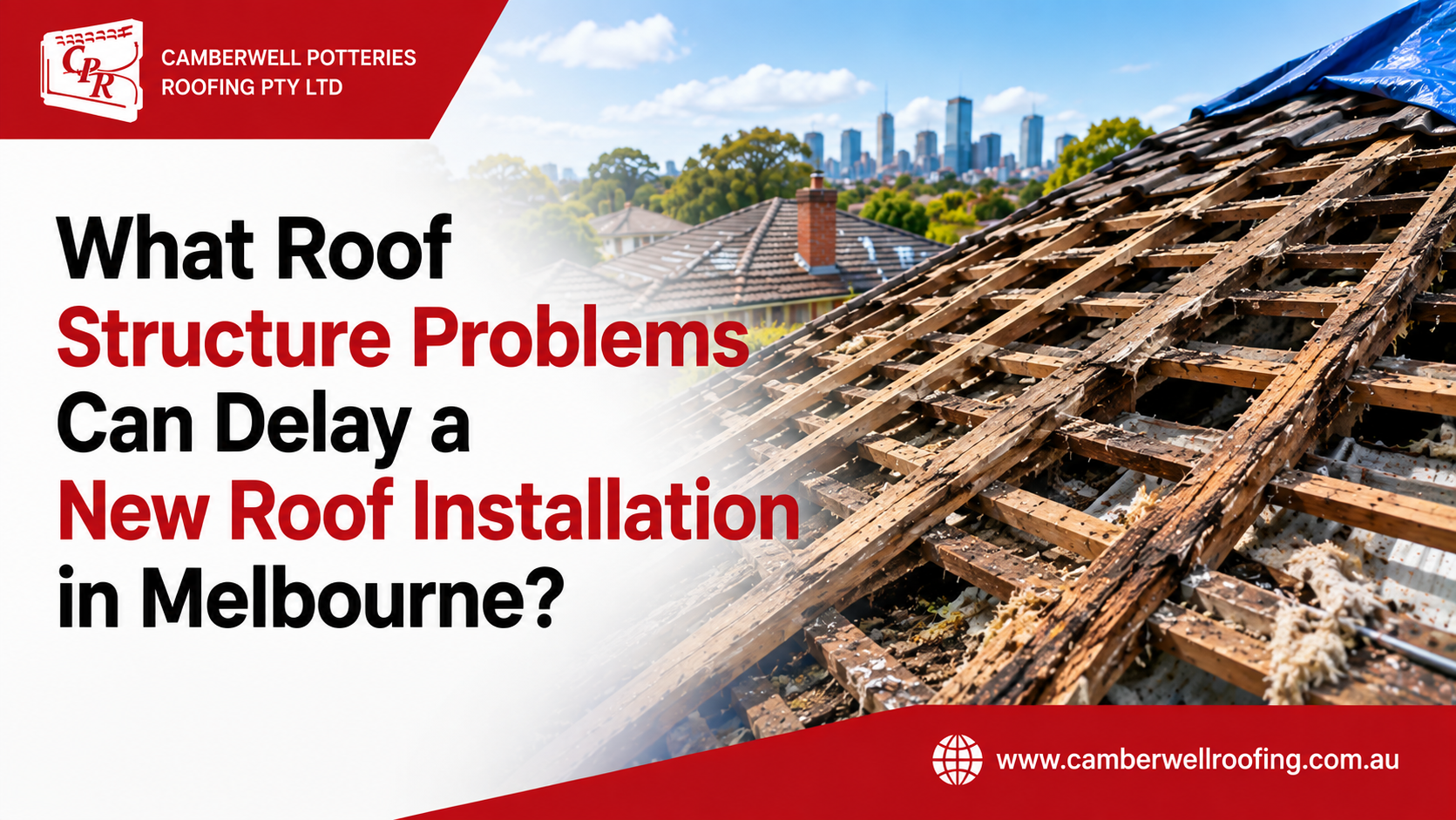
Now the real strengthening begins. Contractors repair the skeleton of your roof. Battens get replaced. Underlayment layers get reinforced. Ventilation gaps get adjusted.
This stage protects the long-term performance of your roof replacement process. Skipping repairs creates weak spots. Weak spots invite leaks later.
Structural Repair Workflow
- Contractors check the timber supports to ensure the roof frame remains strong.
- Damaged battens are replaced to create a stable base for new roofing materials.
A waterproof membrane is installed to prevent moisture from entering the structure. - The ridge structure is reinforced to improve overall durability.
- Ventilation pathways are inspected to maintain proper airflow and temperature balance.
These repairs help the roof remain strong against Melbourne’s changing weather conditions.
This way, your roof stands stronger against Melbourne weather patterns.
Step 4: Installing New Roofing Materials
Here comes the exciting part. Your home starts looking new again. Contractors install selected roofing materials carefully.
Australian homeowners often choose:
| Roofing Material | Why Homeowners Prefer It |
| Terracotta Tiles | Long lifespan and strong insulation |
| Concrete Tiles | Cost balance and durability |
| Metal Roofing | Lightweight and weather-resistant |
During new roof installation, alignment plays a huge role. Small positioning errors create water entry points. Skilled installation prevents that risk.
Not only that, but proper layering improves thermal performance inside your home.
Step 5: Flashing And Waterproof Protection
This stage rarely gets attention. Yet, it protects the most vulnerable roof areas. Flashing seals joints around chimneys and valleys. Ridge capping locks tile rows together.
Water usually enters through weak sealing points. Strong waterproof layers block that entry completely.
This way, your home avoids hidden moisture damage. That way, maintenance stays minimal for years.
Step 6: Cleanup And Final Inspection
Once installation finishes, contractors clean the surrounding areas thoroughly. Nails, broken tiles, and dust get removed.
The final inspection checks:
- Tile alignment
- Drainage flow
- Waterproof seals
- Structural strength
Professional teams follow Australian roofing safety standards. This ensures long-term performance reliability.
How Long Will A Roof Replacement Take?
Every project timeline varies slightly. Roof size matters. Weather plays a major role.
Expected Project Duration
| Property Size | Project Time |
| Small Homes | 2 to 3 Days |
| Standard Houses | 3 to 5 Days |
| Large Properties | 5 to 7 Days |
Rain delays are common. Contractors adjust schedules to protect installation quality.
Warning Signs Your Roof Needs Replacement
Many roofs give signals before failure. Recognising them early prevents costly structural damage.
Watch out for:
- Frequent leaks during rain
- Broken or slipping tiles
- Ceiling stains
- Moss accumulation
- Higher indoor humidity
These signs suggest inspection should happen immediately.
Understanding Roof Replacement Costs
Costs depend on several factors. Material choice influences pricing heavily. Roof design complexity affects labour requirements.
Cost elements often include:
- Roofing material selection
- Structural repair extent
- Waste removal expenses
- Safety equipment setup
- Roof accessibility level
Planning budgets early helps homeowners avoid unexpected spending pressure.
Smart Preparation Tips Before Roofing Begins
Homeowners can make the process smoother with simple preparation steps.
Helpful tips include:
- Removing attic storage items
- Covering interior ceilings
- Informing neighbours about noise
- Clearing driveway space
- Protecting garden plants
This way, daily routines continue with fewer disruptions.
Why Choosing Experienced Contractors Matter?
Roof replacement demands accuracy and safety awareness. Professional contractors follow building guidelines carefully. They understand Melbourne’s climate behaviour well.
They also recommend suitable materials based on the property structure. This improves durability and insulation performance.
Camberwell Potteries Roofing has managed reroofing projects across Melbourne for decades. They evaluate roof history carefully. They focus on correct installation methods that support long-lasting protection.
The Long-Term Value Of A New Roof Installation
A fresh roof changes more than visual appeal. It improves insulation. It strengthens property defence. It increases resale value.
Not only that, but it reduces future repair visits. It supports comfortable indoor temperatures. It also builds homeowner confidence during harsh weather seasons.
Replacing your roof feels like a big decision. Yet, understanding each stage removes uncertainty. That clarity turns a stressful project into a well-managed home improvement journey.
Final Thoughts: Is A Roof Replacement Worth The Effort?
A roof replacement may feel intimidating at first. The noise feels loud. The schedule feels busy. Yet, the result often changes how safe your home feels. A strong roof stands between your family and unpredictable Australian weather.
This way, investing in a new roof installation protects your property for decades. It reduces repair surprises. It improves comfort during hot summers and rainy winters. That peace of mind matters more than most homeowners realise.
Working with a trusted roofing contractor Melbourne homeowners rely on also makes the journey smoother. Skilled professionals follow proper roof replacement project steps. They handle inspections, material installation, and final checks carefully.
That way, your roof replacement process stays organised and stress-free. Companies like Camberwell Potteries Roofing follow proven roofing standards and focus on long-term structural protection through careful assessment and precise installation methods.
Planning ahead remains the smartest move. Understanding each stage helps you prepare emotionally and financially. Once completed, your home feels renewed. It feels protected. Most importantly, it feels ready for whatever weather arrives next.
“A roof is only as strong as the structure beneath it. We always tell homeowners that proper structural repairs are what give a new roof its real lifespan and reliability.”
Frequently Asked Questions
1. How do I know when planning a roof replacement becomes necessary?
Most homeowners first notice small warning signs. You may see water stains. You may spot cracked tiles. Sometimes the roof begins to sag slightly. These signs usually mean more serious damage exists. Roof age also matters. Many roofs last between 20 and 50 years. A proper roof inspection before replacement helps confirm the real condition. It shows whether repairs will work or a full replacement is the better option.
2. How long does a new roof installation usually take in Melbourne?
Most new roof installation projects finish within two to seven days. The timeline depends on the roof size. The weather also affects progress. Some homes require extra structural repairs. That can extend the schedule. A reliable roofing contractor Melbourne homeowners trust will inspect the roof first. They usually provide a clear and honest timeline before work begins.
3. What are the major roof replacement projects that homeowners should expect?
The roof replacement project steps follow a clear order. Contractors begin with inspection. They then remove old roofing materials. Next comes structural repair. After that, new roofing materials are installed. Waterproof sealing happens near the final stage. A full inspection completes the process. Each stage helps your roof handle Australian weather conditions properly.
4. What should homeowners prepare before starting the roof replacement process?
Preparation helps the roof replacement process move smoothly. Homeowners should remove stored items from attic spaces. Covering ceilings inside the home also helps. Outdoor furniture should be secured or moved. Informing neighbours about the project is also helpful. These simple steps reduce stress and prevent accidental damage during roofing work.
5. Why is following a residential roof replacement guide important?
A well-planned residential roof replacement guide helps homeowners stay organised. It explains each project stage clearly. It helps with budgeting decisions. It also makes communication with contractors easier. Following a proper guide ensures the new roofing system performs well for many years.

4 Clear Signs You’ve Chosen a Reliable Roofing Contractor in Melbourne
Choosing a roofing company Melbourne homeowners can rely on is not a casual decision. It shapes how safe your home feels during storms. It decides how long your roof lasts. It also affects repair costs years from now.
Here is something many homeowners do not expect. Industry studies suggest many roofing and building defects happen due to workmanship errors rather than material failure. Research highlights poor workmanship as one of the leading causes of structural and roofing defects in residential construction. That single fact changes how you look at contractors.
This is why new roofing Melbourne projects demand attention from day one. You are not just paying for materials. You are trusting people with the structure above your family. That trust must be earned.
So, how do you tell when you are dealing with the right team? The answer lies in behaviour. Good contractors leave patterns behind. Those patterns are easy to spot once you know where to look.
This guide breaks down the most reliable signs of a good roofing contractor. Each sign is practical. Each one protects you from future stress. Read on to learn further:
Why Does the Right Contractor Make All the Difference?
A roof works every day. It handles sun exposure. It takes on rain. It absorbs wind pressure.
Because of this, a skilled roofing contractor Melbourne property owners choose must understand local conditions. Melbourne weather shifts fast. That reality affects materials and installation methods.
Many homeowners ask how to choose a roofing contractor without regret. The safest approach is to judge actions, not promises. Words are easy. Process is not.
4 Signs of a Good Roofing Contractor
Sign 1: They Have Deep Melbourne Experience
Experience is not about years alone. It is about location. A contractor who works across Melbourne understands local roof styles and council rules.
This way, problems get solved before they appear.
A contractor with strong local experience knows:
- Which materials perform best in Melbourne’s heat
- How storms affect older roof structures
- What council approvals slow projects down
- How long do different systems truly last
This matters even more during new roofing Melbourne projects. Structural choices made early stay locked in for decades.
What Real Experience Looks Like?
| Experience Indicator | Why It Matters |
| Local project history | Shows climate awareness |
| Public building work | Proves compliance skills |
| Re-roofing expertise | Reduces hidden risks |
| Tile system knowledge | Prevents early failures |
A trusted roofing company Melbourne residents recommend does not hide past work. They explain it clearly. They welcome questions.
Sign 2: They Inspect First and Explain Everything
Good contractors never quote blindly. They inspect. They measure. They look deeper.
This is one of the strongest roofing contractor qualities you can notice early. They check under tiles. They assess drainage. They look for stress points.
After that, they explain findings using simple words.
That way, you understand what needs attention now and what can wait. This honesty saves money. It also builds trust.
This approach reflects true professional roofing contractor traits. Rushed advice usually leads to repeat repairs. Clear advice avoids them.
Sign 3: They Use Certified Materials and Follow Standards
Materials matter. Installation matters more.
A reliable roofing contractor Melbourne homeowners trust works with certified roofing systems. They follow Australian Standards. They respect manufacturer guidelines.
This protects warranty coverage. It also improves roof performance.
Why Certified Systems Matter?
- Better resistance to harsh weather
- Improved insulation performance
- Fewer maintenance issues
- Stronger resale value
Here is a simple comparison.
| Roofing Factor | Certified Installer | Unverified Installer |
| Average lifespan | 40–50 years | 20–25 years |
| Warranty support | Included | Limited |
| Council approval | Smooth | Delayed |
| Repair frequency | Low | High |
These signs of a good roofing contractor show up before work starts. Ask about certifications. Ask about product sources. Honest answers come easily.
Sign 4: They Communicate Clearly and Respect Your Property
Roofing work disrupts daily routines. Noise happens—access changes.
A dependable roofing company Melbourne families trust plans for this. They explain timelines. They outline each stage. They keep sites organised.
You will notice:
- Clear start and finish dates
- Daily clean-up routines
- Safety measures around the home
- Regular progress updates
Likewise, this behaviour reflects deeper roofing contractor qualities. Planning reduces stress. Respect builds confidence.
This is why such contractors are chosen for both renovations and new roofing in Melbourne homes.
A Simple Checklist Before You Commit
Use this checklist to stay grounded.
- They inspect before quoting
- They explain risks clearly
- They show Melbourne projects
- They use certified materials
- They offer written guarantees
This list works as a reliable roofing contractor guide for any property.
Why Guarantees Reveal Contractor Confidence?
Guarantees speak quietly but clearly. Long coverage signals long thinking.
Look for protection that includes:
- Material durability
- Workmanship quality
- Weather resistance
Contractors who stand behind their work expect it to last. That confidence protects homeowners long after the job ends.
Melbourne Project Experience That Builds Trust
Large schools and public buildings demand strict standards. Contractors trusted with these projects show discipline and skill.
Camberwell Potteries Roofing has handled major re-roofing work across Melbourne schools, colleges, and heritage sites. They apply the same structured approach to residential homes. Their process focuses on inspection, certified materials, and long-term performance.
This history reflects the professional roofing contractor traits homeowners look for when safety matters most.
Final Thoughts for Homeowners
Roofing decisions shape your home for decades. They deserve care.
When a contractor shows experience, honesty, certified systems, and clear communication, you are looking at the right signs. These signs of a good roofing contractor reduce risk and future expense.
If you are planning new roofing Melbourne homes or replacing an ageing system, slow down and observe how contractors behave early. Actions reveal quality before tools come out.
“We always remind homeowners that a roof is built once, but it protects daily.”
That belief defines the standard followed by Camberwell Potteries Roofing.
Frequently Asked Questions
1. How do I know if I have chosen the right roofing company in Melbourne?
Start by watching how they behave before work begins. A trusted roofing company Melbourne homeowners choose will inspect the roof first. They explain risks clearly. They do not rush quotes. This way, you see their intent early. That behaviour often reflects strong professional roofing contractor traits.
2. What are the most common signs of a good roofing contractor?
Clear communication stands out first. Experience follows closely. Proper certification matters too. These signs of a good roofing contractor show consistency. They inspect carefully. They explain options. They respect your property. Likewise, reliable contractors do not avoid tough questions.
3. How should I approach new roofing projects in Melbourne?
Planning comes first. Inspection follows next. Material selection comes after that. For new roofing in Melbourne homes, local experience matters most. A skilled roofing contractor Melbourne residents trust understands council rules and weather impact. That way, the roof performs well for decades.
4. How can homeowners choose the right roofing contractor?
Many people ask how to choose a roofing contractor without stress. The answer is simple. Focus on the process. A good contractor inspects before quoting. They explain timelines. They provide written guarantees. This approach reflects strong roofing contractor qualities that protect homeowners long-term.
5. Is there a simple guide to identify a reliable roofing contractor?
Yes. A short checklist helps. Look for inspections before pricing. Ask about certifications. Review Melbourne-based projects. This works as a reliable roofing contractor guide for any property. It also highlights genuine professional roofing contractor traits without guesswork.