

Proven Roof Maintenance Melbourne Strategies That Add Decades to Your Roof’s Life
Your roof faces brutal challenges every single day. Melbourne’s unpredictable weather throws everything at it – scorching summer heat, torrential rain, wind gusts, and occasional hail. Most homeowners ignore their roofs until serious problems appear. That approach costs thousands in premature replacements. It is found that regular roof maintenance Melbourne practices can extend your roof’s lifespan significantly beyond its expected duration. Think about that for a moment. The average Melbourne roof lasts 25-30 years with basic care. Proper maintenance pushes that to 45-50 years. You are looking at potentially avoiding one complete roof replacement during your home ownership. This guide reveals practical roof maintenance services and techniques that Melbourne homeowners can implement. Some tasks you can handle yourself. Others require professional attention. All of them protect your investment and keep your home safe from water damage.
What Should You Check During Regular Roof Inspections?
Regular inspections catch small problems before they become expensive disasters. You need to inspect your roof at least twice yearly – once before summer and again after winter storms pass. These checks take less than an hour but save you from costly surprises. Ground-Level Inspection Checklist:
- Missing, cracked, or displaced tiles exposing the underlayment
- Dark patches suggesting algae or moss accumulation
- Sagging sections indicate possible water damage
- Broken or hanging gutters need immediate repair
- Debris buildup in valleys where water collects
- Storm damage from recent weather events
Next, inspect your ceiling from inside the house. Look for water stains or discoloration. Feel for soft spots in the ceiling material. Check your attic for light coming through gaps. These signs reveal problems that need quick attention. Interior Warning Signs:
- Water stains on the ceiling require immediate inspection
- Light penetration through gaps in the attic space
- Damp patches near the roofline indicate flashing issues
- Wet or compressed insulation, suggesting ventilation problems
Safe roof access allows for closer examination. Walk carefully on dry days only. Never inspect during wet conditions – slippery tiles cause dangerous falls. Examine tiles up close for hairline cracks. Check flashing around chimneys and vents.
How Often Should You Clean Gutters and Downpipes?
Clogged gutters destroy roofs faster than almost anything else. Water backs up under tiles when gutters overflow. That moisture seeps into the roof structure and causes rot. Your walls can also suffer water damage from overflowing gutters during heavy rain. Recommended Cleaning Schedule:
- Autumn: Monthly cleaning due to falling leaves
- Winter: After major storms, clear debris
- Spring: Complete system flush and inspection
- Summer: Mid-season check before storm season
The cleaning process is straightforward but requires caution. Use a sturdy ladder with someone spotting you. Wear thick gloves to protect your hands from sharp debris. Scoop out leaves, twigs, and sediment by hand or with a gutter scoop. Step-by-Step Cleaning Process:
- Remove all debris by hand or gutter scoop
- Check for rust spots or separation at joints
- Flush the entire system with a garden hose
- Test the water flow toward the downpipes
- Clear blocked downpipes with a plumber’s snake
- Ensure water drains away from the foundation
Prevention works better than constant cleaning. Install quality mesh guards to block leaves while allowing water flow. They reduce gutter maintenance from four times yearly to once or twice. The initial investment pays for itself within a few years.
Why Does Moss and Algae Removal Matter for Roof Lifespan Extension?
Moss looks harmless, but it causes serious damage over time. It traps moisture against your roof tiles. That constant dampness degrades tiles and promotes rot in wooden structures underneath. Moss roots can even lift tiles slightly, creating gaps where water enters. Damage Caused by Growth:
- Moisture retention accelerates tile deterioration
- Root systems lift tiles and create gaps
- Water entry points during rainfall
- Aesthetic decline reduces property value
- Increased weight load on the roof structure
- Organic buildup is blocking proper drainage
Algae creates those unsightly black streaks on roofs. Beyond appearance issues, algae retains moisture and speeds up tile deterioration. Both grow in Melbourne’s humid conditions, especially on south-facing roof sections that receive less direct sunlight. Remove moss and algae as soon as you spot them. Do not use a pressure washer – the force can crack tiles and strip protective coatings. Instead, apply a specialized roof cleaning solution designed for your tile type. Apply the cleaning solution on a dry, calm day. Let it sit for the recommended time. Gently brush away dead moss with a soft-bristled broom. Rinse thoroughly with a regular garden hose at low pressure. Prevention works better than repeated cleaning. Install zinc or copper strips along roof ridges. Rain washes metal particles down the roof, inhibiting moss and algae growth naturally. This simple addition provides years of protection with zero maintenance.
What Repairs Should You Address Immediately?
Small repairs prevent major roof failures. Ignoring minor damage leads to water infiltration and structural problems. Quick fixes cost hundreds, while delayed repairs can run into thousands.
| Problem Type | Urgency Level | Typical Cost Range | DIY or Professional |
Cracked tiles need immediate replacement. Even small cracks let water penetrate to the underlayment. One damaged tile seems insignificant, but it causes progressive damage with every rain. Keep spare tiles stored for quick replacements when needed. Warning Signs Requiring Immediate Action:
- Water stains appearing on ceilings after rain
- Daylight is visible through the roof boards in the attic
- Tiles sliding out of position during the wind
- Flashing pulling away from chimneys or vents
- Gutters separating from fascia boards
Damaged flashing creates direct water entry points. Flashing seals gaps around chimneys, vents, and roof valleys. Rust, cracks, or separation require immediate attention. Professional roofing maintenance Melbourne experts should handle flashing repairs because improper installation causes worse leaks. Loose tiles need re-securing before strong winds rip them off completely. Missing tiles leave your roof vulnerable to water and pest entry. Replace them within days of discovery, not weeks.
How Can Proper Ventilation Extend Your Roof’s Life?
Adequate ventilation protects your roof from the inside out. Hot air trapped in your roof space causes multiple problems. It bakes tiles from beneath during summer. Moisture accumulates in winter, promoting mold and rot. Both conditions shorten the roof’s lifespan dramatically. Benefits of Good Ventilation:
- Reduces thermal stress on roofing materials
- Prevents moisture accumulation and condensation
- Extends roof lifespan by 10-15 years
- Lowers energy bills by stabilizing temperatures
- Prevents mold growth in the roof cavity
- Protects insulation effectiveness
Check your roof ventilation system regularly. Most Melbourne homes use whirlybird vents or ridge venting. Make sure vents spin freely without obstruction. Clear away any debris blocking air intake or exhaust points. Blocked vents defeat the entire purpose of the system. Proper attic insulation works with ventilation to protect your roof. Insulation prevents excessive heat transfer from living spaces into the roof cavity. This reduces thermal stress on roofing materials. It also cuts your energy bills by maintaining stable indoor temperatures. Signs Your Ventilation Needs Attention:
- Excessive heat in the ceiling space during summer
- Winter condensation on roof timbers
- Musty odors from ceiling spaces
- Ice damming during cold snaps
- Peeling paint on exterior soffits
Signs of poor ventilation appear in several ways. Excessive heat in your ceiling space during summer indicates problems. Condensation on roof timbers during winter reveals inadequate air circulation. Musty odors from ceiling spaces suggest moisture accumulation that needs addressing.
When Should You Schedule Professional Roof Maintenance Services?
Some roof maintenance tips you can handle yourself. Other tasks require experienced professionals with proper equipment and training. Knowing when to call experts prevents dangerous accidents and ensures quality work. Safe for DIY Tasks:
- Ground-level gutter cleaning with proper ladder safety
- Simple tile replacement on accessible, low-pitch areas
- Visual inspections from the ground using binoculars
- Basic debris removal from the roof surface
- Gutter guard installation on single-story homes
Requires Professional Expertise:
- Steep roof access and repairs above two stories
- Flashing replacement and installation around penetrations
- Structural repairs involving rafters or supports
- Large-scale tile replacement projects
- Ventilation system modifications or additions
- Storm damage assessment for insurance claims
Annual professional inspections catch problems you might miss. Trained eyes spot early warning signs that untrained homeowners overlook. Professionals safely access difficult roof areas. They also carry insurance that protects you from liability if accidents occur.
| Service Type | Recommended Frequency | Best Timing | Primary Purpose |
| Comprehensive inspection | Annually | Before the winter season | Catch issues early |
| Professional deep cleaning | Every 3-5 years | Spring months | Remove buildup |
| Protective coating application | Every 10-15 years | Summer period | Restore protection |
| Post-storm assessment | As needed after events | Immediately after | Document damage |
Pre-winter inspections prepare your roof for Melbourne’s wet season. Professionals identify vulnerabilities that could fail during heavy rains. They secure loose tiles that might blow off in storms. This proactive approach prevents emergency repairs during bad weather. Post-storm assessments document any damage for insurance claims. Professionals photograph problems and provide written reports. This documentation proves valuable if you need to file a claim for storm damage coverage.
What Preventive Measures Protect Your Investment Long-Term?
Prevention costs less than repair every single time. Simple protective measures add years to your roof’s functional life. Most preventive steps require minimal effort but deliver substantial benefits. Essential Prevention Strategies:
- Trim overhanging branches to one meter clearance minimum
- Install quality gutter guards for year-round debris control
- Apply protective coatings every 10-15 years as needed
- Schedule professional cleaning every 3-5 years consistently
- Document all maintenance activities in a detailed log
- Address small issues within days of discovery
Trim overhanging branches that drop leaves on your roof. Falling debris fills gutters and promotes moss growth. Branches also scratch tiles during windy conditions. Keep trees cut back at least one meter from the roof edges for optimal protection. Regular cleaning of roof surfaces prevents buildup that traps moisture. Schedule professional roof cleaning every 3-5 years. This removes accumulated dirt, organic matter, and early moss growth. Clean roofs shed water better and last significantly longer. Your Annual Maintenance Calendar:
- Spring: Gutter cleaning and complete system inspection
- Summer: Professional assessment and necessary repairs
- Autumn: Monthly gutter clearing due to leaf fall
- Winter: Post-storm checks and debris removal
Apply protective coatings every 10-15 years, depending on your tile type. These coatings restore water resistance and prevent tile deterioration. They also refresh your roof’s appearance without costly replacement. A professional application ensures proper coverage and adhesion. Document your Melbourne roof care activities in a maintenance log. Record inspection dates, repairs completed, and cleaning schedules. This log proves valuable when selling your property. It also helps you track when recurring maintenance becomes due.
Protecting Your Roof for Decades
Your roof represents a major investment in your home’s protection and value. Neglecting maintenance leads to premature failure and expensive replacement. Regular care extends lifespan dramatically while preventing costly emergency repairs. The strategies covered here work for all Melbourne roof types. Some tasks you can handle yourself with basic tools and safety precautions. Others require professional expertise and equipment. The key is consistency – regular attention prevents the deterioration that destroys roofs. Quick Action Plan to Start Today:
- Schedule twice-yearly inspections starting next month
- Clean gutters at least four times annually
- Remove moss and algae promptly when spotted
- Address all repairs within one week of discovery
- Book an annual professional assessment before the winter season
Professional support makes roof lifespan extension easier and safer. Companies like Camberwell Potteries Roofing, a trusted roofing contractor in Melbourne, bring years of experience to roof care and maintenance throughout the region. We offer comprehensive inspection services and expert repairs that keep roofs performing optimally for their full expected lifespan and beyond. Your roof protects everything you value – family, possessions, and memories. Give it the care it deserves. Regular maintenance is not an expense but an investment that pays returns for decades. Start implementing these roof maintenance tips today. Your future self will thank you when your roof reaches 50 years while neighbors face costly replacements.

A Step-by-Step Guide to New Roofing Installation in Melbourne
Did you know that in Australia, the Residential Efficiency Scorecard shows 25 to 35% of heat loss or gain occurs through the ceiling, roof, or attic area? A poorly built or ageing roof does not just look tired – it eats into your comfort and your budget. That is why a new roofing installation is more than a cosmetic upgrade. It is a shield for your family, a long-term investment, and a big step toward increasing property value. If you have been wondering how the new roof installation process really works, you are in the right place. This guide breaks it down step by step – so you know exactly what happens, what to expect, and when to take action. Whether you are considering new roofing in Melbourne or comparing options for re-roofing, this guide has you covered. So, let’s get started:
Why Choose New Roofing Installation?
This way, you are not only fixing leaks but also securing the structure for decades. The benefits go beyond the obvious:
- Better protection against storms.
- A boost to insulation.
- A fresh look that can lift curb appeal.
Many homeowners ask: Should I wait until damage gets worse? The answer is no. The earlier you plan, the more money and stress you save. That is why understanding the new roof installation process helps you make confident decisions.
What Is the Step-by-Step Process of New Roof Installation?
It is a structured approach that ensures your roof is safe, durable, and built to last. Here are the key steps to follow:
Step 1 – Initial Roof Inspection
Every strong project begins with an inspection. A roofing expert climbs up, checks the tiles, flashing, and gutters, and points out weak spots. Common signs that you need a replacement:
- Visible cracks or missing tiles.
- Water marks on ceilings.
- Rusted gutters or sagging areas.
Pro tip: In Melbourne, harsh weather patterns can fast-track roof ageing. If your roof is 20+ years old, it is wise to book an inspection sooner rather than later.
Step 2 – Planning and Material Choice
Not only that, but the right material sets the tone for durability. In Australia, terracotta and concrete tiles remain favourites. Metal sheets are also popular for a modern finish.
| Material Type | Lifespan (Years) | Maintenance Level | Popular in Melbourne? |
| Terracotta Tile | 50+ | Low | Yes |
| Concrete Tile | 40–50 | Low | Yes |
| Metal Roofing | 30–40 | Medium | Growing |
This table shows how different choices impact performance. When choosing, think long-term – not just price.
Step 3 – Preparing the Site
Before the old roof comes off, preparation is key. Roofing teams usually:
- Put up safety rails.
- Cover garden areas with tarps.
- Ensure waste disposal bins are nearby.
This keeps the work site safe and your property clean.
Step 4 – Removing the Old Roof
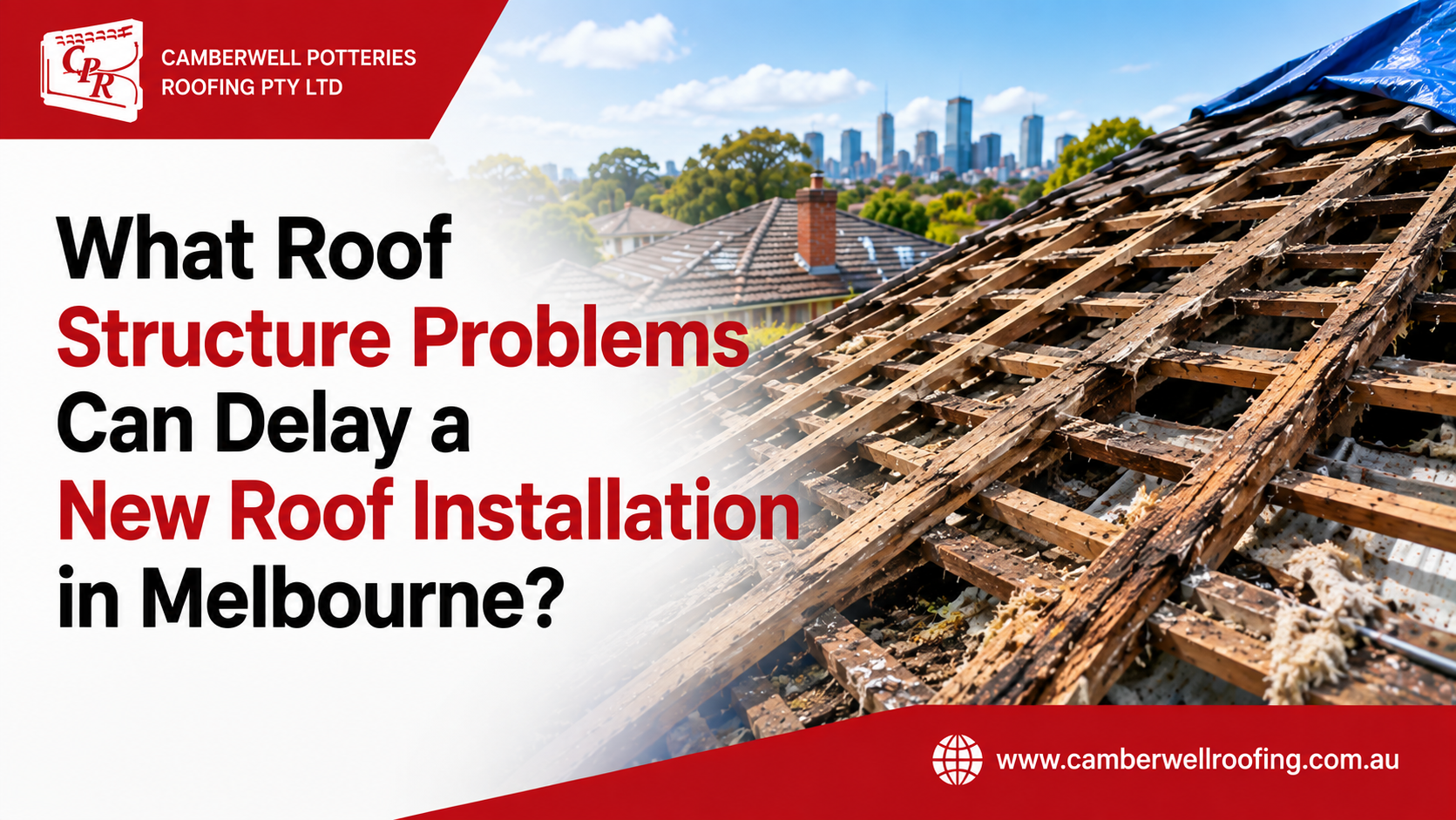
Here comes the noisy part. Workers remove the old tiles or sheets, piece by piece. During this stage, hidden damage is often revealed – such as rotting timber or insulation gaps. This is also the stage where re roofing Melbourne projects overlap with full new builds. In both cases, removal sets the base for a strong start.
Step 5 – Structural Check and Repair
The frame underneath gets a close look. If rafters or battens are weak, they are replaced. Without this step, even the best tiles will not perform well. Think of it like building a house on sand – no matter how beautiful the exterior looks, the inside matters more.
Step 6 – Installing Sarking and Insulation
Before tiles are laid, a layer of sarking (a waterproof barrier) goes in. This keeps out moisture and adds insulation. It is one of the unsung heroes of modern roofing. If you are considering new roof Melbourne services, always ask whether sarking and quality insulation are part of the package. They will save you money in the long run.
Step 7 – Laying New Tiles or Sheets
This is where your roof starts to look alive again. Tiles are laid row by row, or metal sheets are fixed in place. Each piece is secured against strong winds and rainfall. A skilled team will make sure patterns are straight, joins are sealed, and everything looks neat from the street. After all, roofing is not only about function – it adds style to your home too.
Step 8 – Finishing Touches
The final stage includes:
- Flashings are installed around chimneys and valleys.
- Ridge caps are placed on top.
- Gutters checked and connected.
This way, water flows away cleanly and the roof is ready to stand strong against Australian weather.
The Cost Factor
Many homeowners ask about the cost of a new roofing installation. Prices vary based on:
- Material type.
- Roof size and pitch.
- Labour and disposal fees.
Here is a rough cost comparison to give you an idea:
| Factor | Low Range (AUD) | High Range (AUD) | Notes |
Always request a personalised quote to match your home’s unique needs.
Maintenance After Installation
Once the roof is new, do not ignore it. Quick tips to keep it lasting:
- Clean gutters twice a year.
- Check tiles after storms.
- Book professional inspections every few years.
By doing so, you extend the life of your roof and protect your home value.
When to Pick Re Roofing Instead of Full Replacement?
Sometimes, full replacement is not required. If the frame is strong and only the outer layer is damaged, re roofing Melbourne becomes the smarter choice. It costs less and is faster. But, if the base is weak, a complete new roofing installation is the safer investment.
Why Professional Help Matters?
DIY sounds tempting, but it is risky. Roofs are steep, heavy, and require specialist skills. A professional brings:
- Licensed expertise.
- Access to quality materials.
- Safety equipment.
That is why working with an experienced company matters. Camberwell Potteries Roofing has over 60 years in the field. They have delivered reliable results for countless Melbourne homes.
Final Thoughts
A new roof installation is more than just another project. It gives you peace of mind. Every step matters, from the first inspection to the final ridge cap. Each step adds years of safety and comfort to your home. You will save money on energy bills. Your property value will increase. You will have a roof that looks great against Melbourne skies. The process is clearer now, whether you need new roofing Melbourne or expert advice on re-roofing. Some homeowners want trusted workmanship. They want decades of experience backing their investment. For these homeowners, Camberwell Potteries Roofing remains a name worth remembering. Are you ready to upgrade your roof? Get a free quote today. Take the first step toward a stronger home. Make it smarter and more beautiful.
Frequently Asked Questions
Q1. How long does a new roof installation take?
It usually takes 3 to 7 days. Your roof size decides the timeline. The complexity also matters.
Q2. Can I stay in my house during roof installation?
Yes, you can stay inside. There may be some noise. There might be dust too. But it is safe to stay in your home.
Q3. What is the best roofing material for Melbourne homes?
Terracotta tiles are common. Concrete tiles are popular too. Metal roofing is also growing in popularity.
Q4. How do I know if I need re-roofing or a full replacement?
Check if the base is strong. Re-roofing is enough in this case. Is the structure weak? Then a full replacement is better.
Q5. Does a new roof increase home value?
Yes, it does increase value. Buyers often prefer homes with strong roofs. They like modern roofing too.
Thinking about a new tiled roof?
Camberwell Potteries Roofing has been working on Melbourne tiled roofs since the 1930s, when the company made the terracotta tiles rather than laying them. We work on terracotta and concrete tiled roofs only — no metal, Colorbond, polycarbonate or slate. We lay new tiled roofs on new builds, extensions and second storeys, and on pergolas, carports, verandahs and outbuildings. Our workmanship is guaranteed for 10 years on a full new roof, and we are a dual supplier of both CSR Monier and Bristile so the tile suits your roof rather than whatever we happen to stock.
- New tiled roofs — new builds, extensions, pergolas and carports
- Re-roofing — replacing an existing tiled roof
- Roof restoration — if the roof is sound but tired
- Terracotta or concrete — choosing between them
Free roof inspection and obligation-free quote. Call 03 9888 7088, Monday to Friday 9:00am to 4:00pm, or send us a message. Safety is always our first priority — hand-rail, scaffolding or a roof harness is used on every job and included in the quote.

Re-roofing in Melbourne: Spot the Signs Before Your Roof Fails You
Did you know that nearly 25 to 35% of a home’s heat loss or gain happens through the roof? That means if your tiles are cracked or the roof is sagging, your electricity bills are probably climbing higher than you think. This is exactly why re-roofing in Melbourne has become a hot topic among homeowners. Roofs are not forever – and spotting the right time for replacement could save you thousands. We all know that Melbourne’s weather is unpredictable. One day, you are dealing with scorching sun, and the next, heavy rain lashes down. In between these shifts, your roof takes the beating. That is where re-roofing services come in – they not only extend the life of your home but also give you the confidence that your property is safe. If you are confused about whether your roof is due for replacement, you are not alone. Many Australians keep delaying it, thinking quick fixes will do the trick. The truth is – sometimes, patchwork is no longer enough. That is when calling reliable reroofing contractors makes more sense. Read on to discover more:
Why Re-roofing in Melbourne Matters?
Your roof is more than just tiles and sheets. It shields your home from storms, insulates your space, and even boosts the overall value of your property. But like every other part of the house, it has a lifespan. This way, if you ignore the early signs, the damage spreads faster. A small leak today could mean structural repairs tomorrow. And no one wants that kind of bill. Here is a simple breakdown of why you should never delay re-roofing services:
| Problem | What You Notice | Why It Matters |
| Leaks | Water spots on ceilings | Hidden water damage and mould |
| Age | Roof older than 25–30 years | Materials weaken, less protection |
| Storm Damage | Broken or missing tiles | Weak points that invite more leaks |
| High Bills | Rising energy costs | The roof no longer insulates properly |
Signs Your Roof Needs Replacement
Let us be honest – most people do not climb up and inspect their roofs every week. So how do you know when the time for re-roofing services has arrived? Here are the top signs to watch for:
1. Visible Leaks
The most obvious red flag. If water is dripping in your living room during a storm, you cannot ignore it. Even small stains on your ceiling mean that water is sneaking in.
2. Shingles or Tiles Breaking Apart
Tiles cracking, shingles curling, or granules filling your gutters are signs your roof is waving goodbye.
3. Roof Sagging
This one is serious. A sagging roof can point to structural problems. When you see dips, it is time to call reroofing contractors immediately.
4. Age Factor
If your roof has been standing for more than three decades, it has done its duty. Melbourne homes with older roofs are better off with a full replacement instead of endless repairs.
What the Re-roofing Process Looks Like?
Replacing a roof may sound overwhelming. But in reality, re roofing services follow a clear and systematic process. Here is how the professionals handle it:
Step 1: Protect the property
Roofers shield your garden, driveway, and outdoor items from falling debris.
Step 2: Strip the old roof
All worn-out tiles, sheets, and underlayment are removed to start fresh.
Step 3: Inspect
The timber framework is checked for hidden damage or decay.
Step 4: Prepare
Any weak spots are repaired, and a new underlayment is added for strength.
Step 5: Install new materials
Fresh tiles or sheets are fitted carefully to create a strong roof.
Step 6: Clean up
The site is tidied, leaving your home neat and ready to enjoy. This way, you know what to expect and can plan ahead without surprises.
Benefits of Timely Re-roofing
When you choose to act before the damage spreads, the rewards are bigger than you imagine.
- Lower Bills – A fresh roof means better insulation, saving energy.
- Added Value – Homebuyers notice the condition of a roof first.
- Peace of Mind – You will sleep more easily during storms.
- Fresh Look – A new roof instantly lifts the curb appeal of your house.
Not only that, but you also reduce the risk of sudden emergencies that always end up costing more.
Roof Maintenance vs. Re-roofing
Some people confuse roof maintenance services with full re-roofing. The difference is simple:
| Roof Maintenance Services | Re-roofing Services |
| Small fixes like sealing leaks, replacing tiles | Full replacement of old roof |
| Affordable and quick | Higher upfront cost |
| Extends life by a few years | Adds decades of durability |
Maintenance is great if your roof is still healthy. But if the structure is failing, only re-roofing services can give you long-term security.
How to Choose the Right Reroofing Contractors?
Melbourne is full of roofing companies, but not all bring the same expertise. Before you sign a deal, ask these questions:
- Do they have proven experience with local homes?
- Are they licensed and insured?
- Do they offer a workmanship guarantee?
- Can they provide references or show past projects?
The right reroofing contractors will always answer these with confidence.
Why Timing Is Everything?
Many homeowners delay roof replacement thinking they can stretch it one more season. The risk? Costs multiply later. Insurance claims might even get rejected if the roof was clearly neglected. Think of it this way – you would not drive a car with worn-out brakes. Then why trust an old roof to protect your family during Melbourne storms?
Final Thoughts
Your roof does more than just sit on top of your house. It’s what keeps you dry when it rains. It blocks the wind. It shields you from the beating sun. When you put off replacing it, small problems turn into big ones. Maybe you’ve spotted a leak. Maybe there’s a section that looks like it’s drooping. Maybe some tiles are cracked or missing. These aren’t things to ignore. They’re telling you it’s time to look into re-roofing services in Melbourne. Good reroofing contractors do more than slap on a quick fix. They give your home real protection that lasts for years. If you’re looking for people who know what they’re doing, Camberwell Potteries Roofing is worth a call. They’ve been around for over 60 years. That kind of experience speaks for itself.
Frequently Asked Questions
1. How do I know if I need re-roofing or just repairs?
A couple of cracked tiles here and there? A small leak that showed up last winter? Those might just need a repair. Roof maintenance services can take care of minor stuff like that. But if you’re constantly calling someone out to fix something new, that’s a red flag. The same goes if your roof has been up there for 25 or 30 years. At that point, re-roofing makes more sense than patching things up again and again.
2. How long does re-roofing take in Melbourne?
For most houses, you’re looking at somewhere between 3 and 7 days. How long it actually takes depends on a few things. Bigger homes take longer. Some materials go up faster than others. Rain can slow things down. And if the crew finds something unexpected underneath, like rotted wood or other damage, that adds time too.
3. Will re-roofing increase my home’s value?
It really does. A fresh roof makes your house look sharper from the curb. But it’s not just about looks. Buyers feel better knowing they won’t have to deal with roof problems right after moving in. Plenty of Melbourne homeowners find that re-roofing services give them a solid return when it’s time to sell.
4. What is the cost of re-roofing in Melbourne?
There’s no one-size-fits-all answer here. It depends on what materials you go with. Tiles and metal roofing come at different price points. The size of your roof obviously matters. So does the shape of the structure underneath. Before you commit to anything, get a proper quote from your reroofing contractors. You want to know what you’re paying for.
5. Can I live in my home while re-roofing is being done?
You can. Most people do. The roofers work in sections so your house stays covered and protected. It won’t be silent. There’s hammering and moving around. Things might feel a bit chaotic for a few days. But it’s not like you have to pack up and leave. You can go about your routine while they work.
6. How long will my new roof last?
If it’s done right with good materials, you’re looking at 40 to 50 years. Maybe longer if you stay on top of things. Regular roof maintenance services make a real difference. A little care goes a long way. Your roof is an investment. Treat it like one.