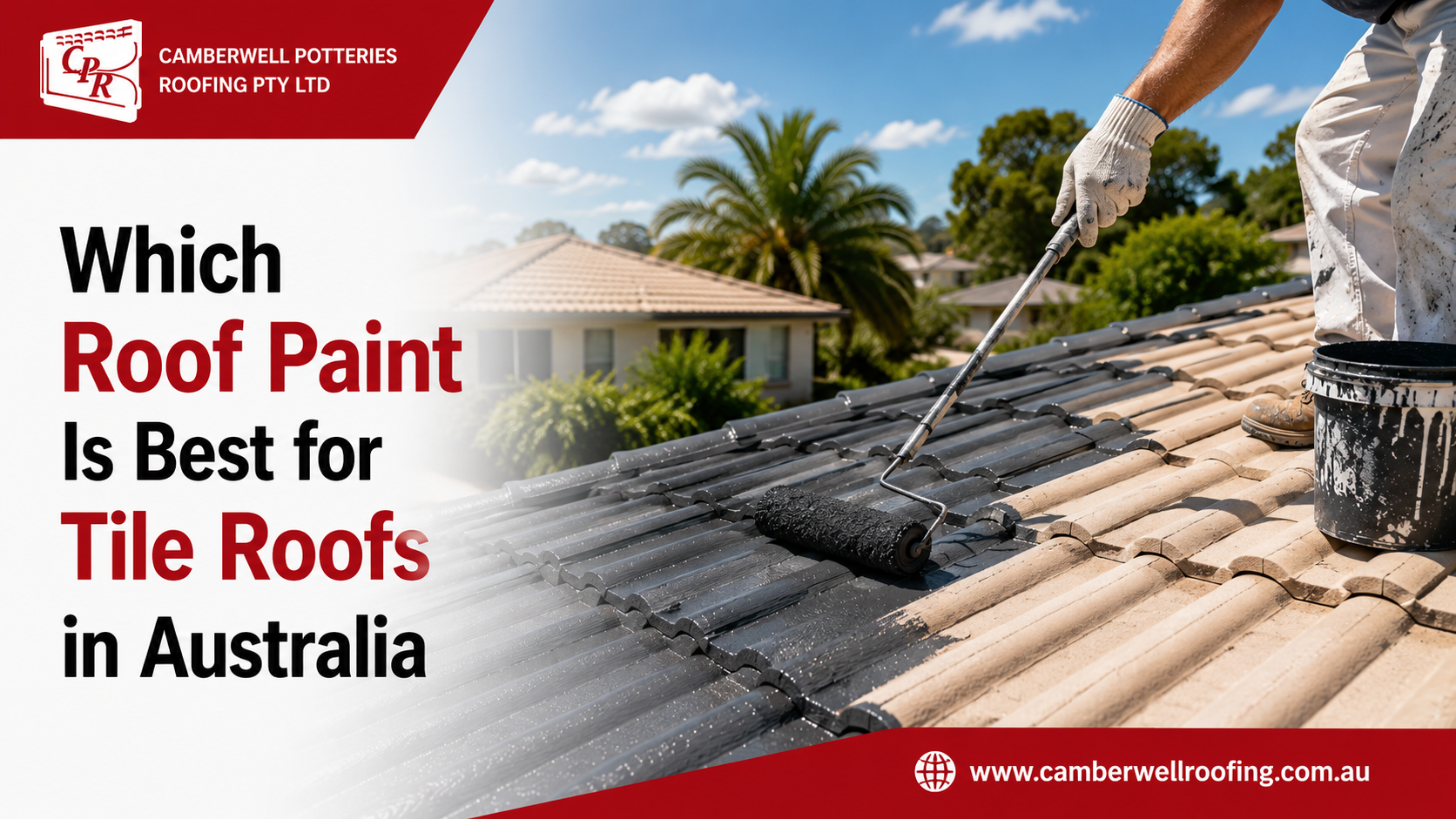


Roof Maintenance Melbourne – Keep Your Restored Roof Strong for Decades
You spent money on re-roofing Melbourne services. Your roof looks perfect now. But restoration alone does not guarantee long-term protection.
A lot of Australian homeowners face premature roof damage due to poor maintenance habits. That is a huge number. Your roof needs care after restoration, just like any major investment.
Proper roof maintenance in Melbourne keeps your roof strong for decades. Small efforts prevent big problems. This guide shows you exactly what to do. We cover inspection schedules, cleaning methods, and professional care tips.
Your restored roof deserves attention. Let us start with the basics.
Why Does Post-Restoration Care Matter So Much?
Your new roof faces Melbourne’s weather every day. The sun beats down hard in summer. Rain tests every seal in winter. Wind tries to lift tiles during storms.
Roof maintenance after restoration stops small issues before they grow. A tiny crack today becomes a major leak tomorrow. Prevention always costs less than repairs.
Here is what happens without regular care:
- Tiles shift and break
- Gutters overflow with debris
- Flashing comes loose
- Water enters your home
You check your car regularly. Your roof needs the same attention. Simple checks save thousands later.
What Should You Check Every Month?
Monthly inspections catch problems early. You do not need special tools. Just your eyes and a few minutes.
Walk around your house. Look at your roof from ground level. Take photos on your phone. Compare them each month.
Things to spot during monthly checks:
- Missing tiles or broken pieces
- Dark stains on your ceiling
- Debris piling up in roof valleys
- Sagging areas anywhere
Write down what you see. Keep a simple log. This helps track changes over time.
Some signs need immediate action. Water stains mean leaks have already started. Sagging shows structural problems. Call professionals right away for these issues.
How Often Should Gutters Get Cleaned?
Gutters collect leaves fast in Melbourne. Trees drop debris year-round. Clogged gutters cause serious damage.
Clean gutters four times per year. That means every three months. Mark your calendar now.
What clogged gutters do to your roof:
- Water backs up under tiles
- Roof edges start rotting
- Fascia boards get damaged
- Foundation problems develop
You can clean gutters yourself. Use a sturdy ladder. Wear gloves. Scoop out all debris. Flush downpipes with a hose.
Not comfortable on ladders? Hire professionals. Safety matters more than saving money. Many roof care services for Australian homes include gutter cleaning.
What Does Professional Inspection Cover?
Book professional checks twice yearly. Once before summer. Once before winter. Experts see things you miss.
Professionals bring experience and tools. They know exactly where problems hide. Their inspection protects your investment.
Professional inspection checklist:
- Tile condition and security
- Flashing around chimneys
- Ventilation system function
- Pest entry points
- Structural integrity
They use thermal cameras sometimes. These find hidden leaks. Water shows up as cold spots. This catches problems before visible damage appears.
Ask for a written report. Keep these reports together. They prove you maintained your roof properly. This helps with warranty claims later.
| Task | How Often | Who Does It |
| Visual check | Monthly | You |
| Gutter clean | Every 3 months | You or Pro |
| Full inspection | Every 6 months | Professional |
| Deep cleaning | Yearly | Professional |
How Do Seasons Change Your Maintenance Routine?
Each season brings different challenges. Your roof upkeep after restoration should adjust accordingly.
Summer demands:
Melbourne summers get extremely hot. Heat expands roofing materials. UV rays damage tile coatings.
- Trim tree branches away from your roof. Leaves create fire risks during hot months. Branches scratch tiles when the wind blows.
- Check attic ventilation works properly. Hot air needs somewhere to escape. Poor ventilation shortens tile life significantly.
Winter preparation:
Rain exposes every weakness. Cold weather brings unexpected issues.
- Clear gutters before storms arrive
- Test all downpipes drain properly
- Check flashing seals look tight
- Remove debris that holds moisture
Watch your ceiling during rainy days. New stains mean leaks started. Early detection prevents major water damage.
What Mistakes Damage Restored Roofs?
Good intentions sometimes cause harm. Avoid these common errors.
1. Never pressure wash tiles
High pressure strips protective coatings. Water gets forced under tiles. New leaks develop quickly.
Gentle cleaning works better. Professionals use safe methods. They know which products suit your tile type.
2. Do not ignore small cracks
One damaged tile seems minor now. Water gets inside through that crack. Freeze-thaw cycles make it worse. Soon, you need multiple tile replacements.
Fix problems immediately. Small repairs cost little. Delayed repairs cost thousands.
3. Wrong products void warranties
Every roof type needs specific sealants. Generic products might damage your tiles. Always check manufacturer guidelines first.
When Should You Call Experts Immediately?
Some situations cannot wait for scheduled inspections. These need urgent professional attention.
Call specialists right away if you notice:
- Multiple tiles are damaged in one spot
- Ceiling stains are spreading fast
- Sagging sections anywhere
- Light visible through the roof boards
- Animals nesting in your roof
These problems worsen quickly. Professional assessment prevents catastrophic failure. Do not try DIY fixes for major issues.
Roof maintenance Melbourne experts know local weather patterns. They understand Melbourne building codes. Their solutions last longer than quick patches.
How Can You Make Your Roof Last Longer?
Smart maintenance extends roof life dramatically. These strategies maximise your restoration investment.
Control moss and algae growth:
The Melbourne climate encourages organic growth. Moss holds moisture against tiles. This speeds up deterioration.
Professional cleaning removes buildup safely. They use products that protect your tiles. These treatments also protect plants below your roofline.
Manage nearby trees:
Trees provide shade but create problems. Branches drop leaves constantly. Roots can shift foundations over time.
Keep branches at least two meters away. This reduces debris and prevents scratches. Regular trimming protects your roof.
Maintain ventilation systems:
Good airflow prevents moisture buildup. It controls temperature extremes under your roof.
- Check vents stay clear
- Remove any blockages
- Verify air flows freely
Blocked vents cause condensation. Moisture leads to mould and timber rot. Both shorten roof life significantly.
Your Simple Maintenance Calendar:
MONTHLY TASKS:
- Walk around and look up
- Take comparison photos
- Check for ceiling stains
- Note any changes
EVERY 3 MONTHS:
- Clean all gutters
- Trim nearby branches
- Clear roof debris
- Test downpipe flow
TWICE YEARLY:
- Professional inspection
- Flashing examination
- Ventilation check
- Document everything
ANNUAL REVIEW:
- Read all past reports
- Plan repair budget
- Update maintenance log
What Does Regular Maintenance Actually Cost?
Budget for roof care every year. This prevents shock expenses later.
Basic professional inspections cost between two and five hundred dollars annually. That includes minor adjustments and recommendations.
Emergency repairs cost thousands. Major restoration might hit tens of thousands. Prevention clearly saves money.
Set aside funds monthly. Think of it like insurance. Small regular payments prevent massive bills later.
Your post-restoration roof care tips investment protects property value. It gives peace of mind during storms. It keeps your family safe and dry.
How Do You Start Your Maintenance Plan Today?
Begin with simple steps. Build your routine gradually.
- Week one: Take detailed photos of your entire roof. Write down today’s date. Store photos somewhere safe.
- Week two: Create reminders on your phone. Set monthly visual checks. Schedule professional inspections six months apart.
- Week three: Clean your gutters thoroughly. Check every downpipe drains properly. Remove all debris from your roof.
- Week four: Contact a professional service. Book your first post-restoration inspection. Ask about maintenance packages.
Starting feels overwhelming. Break it into small tasks. Your maintained restored roof in Melbourne becomes automatic quickly.
Why Choose Professional Support?
DIY has limits. Some work needs expert skills and proper equipment.
Professionals carry liability insurance. They own safety equipment. They understand building regulations. Their work comes with guarantees.
Expert services provide peace of mind. You know the job gets done correctly. No guessing about tile compatibility or seal quality.
Many companies offer maintenance packages. These include regular inspections and priority emergency service. Packages often cost less than individual visits.
Take Control of Your Roof’s Future
Your restored roof represents a major investment. Protection requires consistent effort. Small actions today prevent big problems tomorrow.
Start your roof maintenance checklist this week. Take those first photos. Schedule that first inspection. Set up your calendar reminders.
Melbourne weather tests every roof. Proper care keeps yours strong through everything. Rain or shine, your roof protects what matters most.
Need experienced help with ongoing care? Want professionals who truly understand re-roofing Melbourne and long-term maintenance? Camberwell Potteries Roofing has served Melbourne for over 60 years. We know exactly what restored roofs need. Our maintenance programs keep your roof performing perfectly for decades.
Get in touch today for a free consultation. We create custom care plans for every roof type. Your investment deserves expert protection. Let us help your roof reach its full lifespan potential.
Your First Month Action Plan:
Day 1-7: Document the current roof condition completely
Day 8-14: Set up all maintenance reminders
Day 15-21: Book first professional inspection
Day 22-30: Clean gutters and establish a routine
Listen to your roof. Watch for warning signs. Act fast when issues appear. Maintain consistently throughout every season. These habits keep any restored roof working beautifully for generations to come.

Can You Paint Terracotta Roof Tiles? Your Complete Melbourne Guide
Your terracotta roof looks tired and faded. The colour is not what it used to be. You want to bring back that rich, warm look. Painting seems like the obvious solution. Here is the truth – yes, you can paint terracotta roof tiles. A lot of Melbourne homeowners consider painting before replacing their entire roof. But should you? That depends on several factors. This guide covers everything about new roofing Melbourne, terracotta tiles Melbourne, and painting choices. The decision to paint terracotta roof tiles needs careful thought. Your roof protects your biggest investment. Making the wrong choice costs thousands. Let us break down what you need to know.
Why Do People Want to Paint Their Terracotta Roofs?
Terracotta roofs fade over time. The Australian sun is harsh. Rain washes away the natural colour. Your once-beautiful roof now looks dull and weathered. Cost is the main driver. Full roof replacement is expensive. Painting costs much less. You can save serious money if your tiles are still in good shape.
Common reasons for painting:
- The roof colour has faded badly
- Tiles are structurally sound
- The budget does not allow replacement
- Home appearance needs improvement
Paint also adds protection. A quality coating shields tiles from weather damage. Melbourne gets everything – scorching heat, heavy rain, and strong winds. Your roof needs all the help it can get. Some homeowners want to change their roof colour entirely. Painting lets you do that. You can switch from red to grey or brown to cream. This updates your home’s whole look.
What Makes Terracotta Different from Other Roof Materials?
Terracotta is porous. This one fact changes everything about painting it. The clay absorbs moisture naturally. Metal and concrete roofs do not work this way.
Key terracotta characteristics:
- Naturally breathable material
- Absorbs water when untreated
- Needs special primers
- Cannot use standard paint
The tiles were made in kilns at extreme heat. This process created their unique properties. It also made them sensitive to certain chemicals. Your terracotta tiles handle temperature changes well. But the wrong paint cracks in the summer heat. Melbourne summers get brutal. The coating you choose must withstand that. Think of terracotta like skin. It needs to breathe. Seal it too tightly, and problems develop underneath. Moisture gets trapped. Wood rots. Repairs become expensive.
Can Every Terracotta Roof Be Painted?
No. Some roofs are too old or damaged for painting. Age matters. Condition matters even more. You need an honest assessment before deciding. Tiles over 50 years old might be too brittle. Paint adds weight and stress. Cracking tiles will not improve with paint. You are just covering up bigger problems.
Good candidates for painting:
- Solid tiles with minimal cracks
- No major flaking or damage
- Securely attached to battens
- No active leaks present
Glazed terracotta presents challenges. The shiny surface repels paint. You need aggressive preparation. Acid etching might be necessary. Sanding helps paint stick better. Previously painted roofs need careful evaluation. Old paint must come off or be properly prepared. Painting over failing paint is asking for trouble. The whole thing can peel off in sheets. Walk around your house. Look at your roof from different angles. See any broken tiles? Missing pieces? Major cracks? Those are red flags. Paint will not fix structural problems. Following basic terracotta roof painting tips, such as this visual inspection, saves you from wasting money on unsuitable roofs.
What Paint Works Best on Terracotta Tiles?
The right paint makes all the difference. Terracotta roof coating options have improved recently. But not all products deliver good results. Acrylic-based paints work well. They flex with temperature changes. They also let tiles breathe. Both factors prevent problems down the road.
Top paint types for terracotta:
- Membrane coatings for waterproofing
- Elastomeric paints for flexibility
- Heat-reflective formulations
- Breathable acrylic systems
| Paint Type | Lasts How Long | Breathes Well | Cost Per Litre |
Colour choice affects more than looks. Light colours reflect heat. Dark colours soak it up. Your electricity bill might change based on this choice. White roofs can cut cooling costs by 15 to 20%. Read the warranty carefully. Some brands offer 10-year coverage. Others give just 5 years. Weather damage often has exclusions. Know what you are getting.
What Is the Right Way to Paint Terracotta Roof Tiles?
Preparation is everything. Skipping steps causes most failures. Professional roof painting of terracotta tiles starts with thorough cleaning. You cannot paint over dirt and moss. High-pressure washing removes grime. But too much pressure damages tiles. Use 1500 to 2000 PSI. Higher pressure cracks older tiles. Lower pressure does not clean well enough.
Proper painting process:
- Inspect every single tile
- Replace broken pieces first
- Pressure wash the entire roof
- Wait 48 hours for drying
- Apply bonding primer
- Put on the first paint coat
- Wait for complete drying
- Apply a second coat
- Do the final inspection
Primer is mandatory. Terracotta needs a special bonding primer. This seals the porous clay. It creates a stable base for paint. No primer means patchy coverage and early failure. Weather timing is critical. Rain ruins everything. Extreme heat causes problems, too. Paint between 10°C and 30°C. Keep humidity below 85%. Melbourne’s weather is unpredictable. Build in buffer time for delays. Two coats are standard. Some systems need three. Each coat requires proper drying time. Rush the job, and you trap solvents. This causes blistering. The paint fails early.
How Long Does the Paint Last on Terracotta?
Expect 8 to 12 years from quality paint. Budget products might last only 5 to 7 years. Premium systems can reach 15 years. Nothing lasts forever on a roof. Product quality matters most. Application technique comes next. Your local climate plays a big role too. Proper terracotta tile paint techniques during application directly impact how long your coating lasts.
What affects paint life:
- Quality of paint used
- How thick was it applied
- Sun exposure on the roof
- Regular cleaning schedule
North-facing roofs fade faster. They get maximum sun all day. West-facing sections take brutal afternoon heat. The east and south faces last longer. Your roof ages unevenly based on direction. Maintenance extends paint life significantly. Check your roof every year. Gentle cleaning every 2 to 3 years removes buildup. Touch-ups stop small problems from spreading. Think of it like maintaining a car. Regular care prevents big repairs.
What Are the Risks of Painting Terracotta?
Every roofing choice has risks. Painting is no different. Understanding potential problems helps you decide wisely. Moisture trapping is the biggest danger. The wrong paint seals tiles too tightly. Water cannot escape. This causes rot in the structure below. Timber battens deteriorate silently. By the time you notice, big damage has occurred.
Main painting risks:
- Tiles cannot breathe properly
- Hidden leaks stay hidden
- Paint cracks and peels early
- Colours fade in the sun
- Original warranties get voided
Paint hides problems temporarily. That crack you painted over? Still there. Still letting water through. You just cannot see it anymore. Problems grow underneath while you think everything is fine. Check your tile warranty before painting. Many manufacturers void coverage if you paint. Some tiles come with 50-year guarantees. Painting might cancel that protection. Read the fine print first. Bad workmanship damages roofs permanently. Unlicensed contractors disappear when issues arise. Always check credentials. Verify insurance coverage. Get everything in writing.
Should You Paint or Replace Your Terracotta Roof?
No single answer fits everyone. Your situation determines the best path. Consider age, condition, and budget together. Paint when tiles are sound but ugly. Is structural integrity still good? Painting extends the useful life. You save money now. But replacement will come eventually.
Paint makes sense when:
- Tiles are under 40 years old
- No structural damage exists
- Budget is tight right now
- Looks are the main issue
Replace instead when:
- Extensive cracking or breaks exist
- Leaks keep happening despite repairs
- Tiles are lifting or sliding
- Age exceeds 60 years
Decision Helper:
| Your Situation | Recommended Action |
| Tiles under 40 years old + No structural damage + Tight budget | Consider painting your roof |
| Tiles over 60 years old OR Major damage present | Plan for full roof replacement |
| Unsure about condition or age | Get a professional assessment first |
New roofing Melbourne experts assess your specific roof. They measure tile condition accurately. They check the roof structure integrity thoroughly. That investment prevents expensive mistakes. Get multiple opinions if quotes vary wildly. Trust contractors who explain both options honestly. Be wary of anyone pushing only one solution.
How Much Does Painting Cost in Melbourne?
Real numbers help you budget properly. Costs vary based on roof size and condition. Melbourne prices reflect current market rates. Typical Melbourne homes have 150 to 200 square metres of roof. This includes everything – prep, materials, and labour.
Cost breakdown:
Premium products cost more upfront. They last longer, though. Cheap paint needs redoing sooner. Calculate the cost per year. Get three quotes minimum. Prices vary significantly between contractors. But cheapest is not always the best value. Experience and quality count more than rock-bottom pricing. Ask what each quote includes. Some contractors skip crucial steps. Others use inferior products. Compare apples to apples. Know exactly what you are paying for.
What Maintenance Does Painted Terracotta Need?
Painted roofs need regular care. Maintenance protects your investment. Neglect shortens paint life dramatically. Check your roof annually. Walk around your property. Look for obvious damage. Use binoculars for hard-to-see areas. Professional inspections every 3 to 5 years catch hidden issues early.
Essential upkeep tasks:
- Clean gutters four times yearly
- Remove debris after storms
- Wash the roof every 2-3 years
- Touch up damage quickly
- Trim overhanging tree branches
Moss and algae damage paint. They grow in shaded spots. They trap moisture against the coating. This speeds up deterioration. Gentle cleaning with the right products prevents buildup. Keep touch-up paint on hand. Small chips happen. Quick repairs prevent water from getting in. Let damage spread, and you face costly repainting soon. Think prevention, not reaction. Small effort now saves big money later. Your roof will thank you with extra years of protection.
Why Use Professionals for Terracotta Roof Work?
DIY roof painting looks tempting. Potential savings seem attractive. But roof work involves serious dangers. Safety alone justifies hiring professionals. Falls from roofs cause hundreds of injuries in Australia yearly. Proper safety gear costs thousands of dollars. Professionals already own harnesses and scaffolding. They know how to use everything correctly. Experience prevents costly mistakes. Pros understand paint terracotta roof tiles techniques thoroughly. They spot when painting will not work. They see hidden damage you miss. This expertise saves money long term.
Professional benefits:
- Proper safety equipment and training
- Knowledge of compatible products
- Workmanship warranty coverage
- Insurance for any damage
- Access to trade-quality materials
Camberwell Potteries Roofing brings over 60 years of experience. We understand terracotta tiles Melbourne homes need. Our team knows which tiles can be painted. We know which needs replacement instead. So, we will not recommend painting if your roof needs bigger work. Licensed contractors carry insurance. Something goes wrong? You are protected. DIY disasters leave you paying for everything. That includes damage to the roof, house, or yourself. The risk is not worth the savings.
What Questions Should You Ask Contractors?
Ask the right questions before hiring anyone. Your roof is too important for guessing. Do not skip this vetting process. Start with licensing and insurance. Every legitimate contractor has current licenses. Public liability insurance protects you. Ask for proof upfront. Verify it independently through official channels.
Critical questions to ask:
- How many terracotta roofs have you painted?
- What specific products do you recommend?
- Can you provide recent customer references?
- What warranty covers your workmanship?
- How do you handle unexpected damage?
Ask about their process step by step. Detailed answers show real experience. Vague responses suggest they lack knowledge. Quality contractors explain each phase clearly. They outline realistic timelines. They address your concerns directly. Get everything written down. Verbal promises mean nothing later. Your contract should specify products, colours, and the number of coats. The payment schedule should tie to completed milestones. Never pay everything upfront. References tell the real story. Talk to past customers. Ask about communication and quality. Ask how they handled problems. Drive by completed projects if you can. See their work with your own eyes.
How Does Melbourne’s Climate Affect Your Decision?
Melbourne weather tests every roof material. Four seasons in one day is real here. Your paint must handle rapid temperature swings. Summer heat causes expansion. Winter cold brings contraction. This constant cycle stresses paint films. Cheap products crack under this stress. Quality coatings flex and survive.
Melbourne climate challenges:
- Intense UV radiation
- Fast temperature changes
- High humidity periods
- Salt air near the coast
- Storm damage risk
Coastal areas face extra challenges. Salt air corrodes and degrades certain paints. Special formulations resist salt damage better. Your exact location determines which products work best. Rain timing affects project scheduling. Painting needs several dry days in a row. Spring and autumn can be unpredictable here. Summer offers better weather windows. But extreme heat creates different application problems. Wind matters during painting. Strong gusts blow overspray around. They contaminate wet paint. They also make working on roofs dangerous. Professional contractors watch forecasts closely. They postpone work when conditions are poor.
Final Thoughts
You can paint terracotta roof tiles successfully. Success needs proper assessment, quality products, and correct application. Not every roof suits painting, though. Professional evaluation determines your best approach. Painting offers cost savings compared to full replacement. It extends roof life when tiles remain structurally sound. But it is not permanent. Eventually, replacement becomes necessary for every roof. Balance immediate costs against long-term value in your decision. Factor in roof age and current condition. Consider how long you plan to stay in your home. These elements guide you toward the right choice. Working with experienced professionals makes all the difference. They bring knowledge, proper equipment, and warranties. They protect your investment and your safety. Money saved going DIY rarely justifies the risks involved. Whether you choose to paint terracotta roof tiles or explore new roofing Melbourne options, make informed decisions. This terracotta roof paint guide aimed to give you the information needed to move forward confidently. Your roof protects everything beneath it. It deserves careful consideration and quality work.