
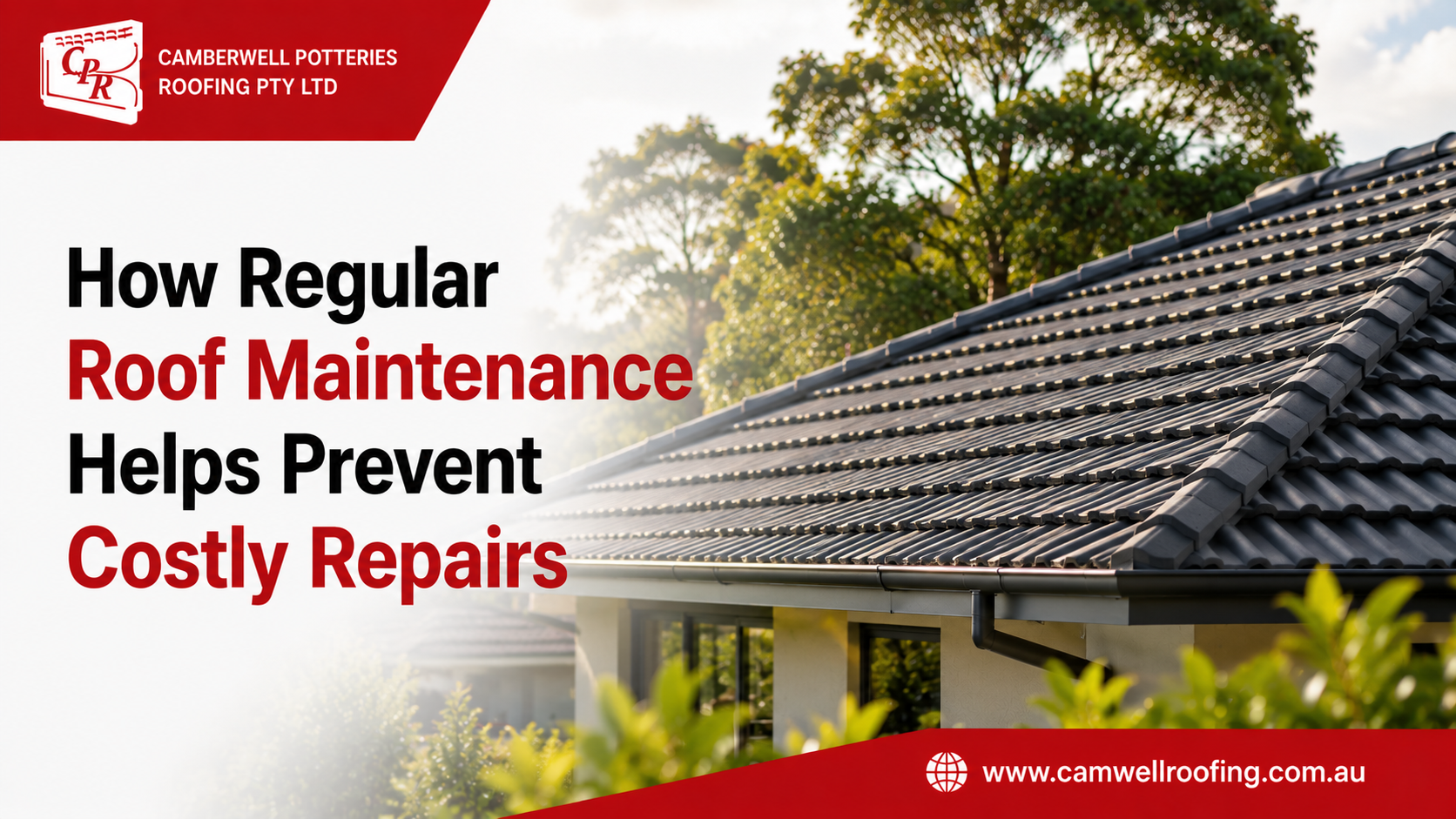
How Regular Roof Maintenance Helps Prevent Costly Repairs
Most serious roofing problems do not appear overnight. They develop slowly over months or years. A hairline crack becomes a leak. That leak eventually reaches your ceiling.
This gradual decline is why preventive care matters so much. A roof in Melbourne faces sharp temperature swings throughout the year. It places steady pressure on tiles and seals.
You can avoid costly repairs by conducting regular inspections and roof maintenance in Melbourne.
Why Is Roof Maintenance Often Overlooked?
Well, roofs are easy to forget. They sit above the daily line of sight. And most homeowners never look up at them.
That “out of sight, out of mind” habit is the core of the problem. Because minor damage is rarely visible from ground level, it can remain hidden for a long time. A cracked tile or lifted flashing causes no obvious inconvenience at first.
By the time a leak appears inside the home, the underlying issue has usually been developing for months. Water has often already reached the timber or insulation. This becomes a much larger and more expensive repair over time. Delayed maintenance almost always increases the final cost.
Common Roofing Problems That Start Small
Understanding how minor faults escalate helps homeowners take them seriously. The following issues are among the most common, and each grows worse when ignored.
- Cracked or broken tiles allow water to seep beneath the surface, where it damages the underlay and timber.
- Loose ridge capping lets wind and rain penetrate the roof’s most vulnerable joints.
- Blocked gutters and downpipes force water back under the tiles instead of away from the home.
- Damaged flashing exposes the seams around chimneys and vents, which are frequent leak points.
- Small roof leaks rarely stay small, spreading into ceilings and wall cavities over time.
- Moss and lichen build-up trap moisture against the roof, slowly breaking down the surface.
None of these problems is expensive to correct early. Each becomes considerably costlier once water has entered the structure. This is precisely why early roof repair prevention saves homeowners substantial sums.
How Regular Maintenance Prevents Expensive Repairs
Preventive maintenance works by addressing faults before they cause secondary damage. Its value lies in interrupting the chain of deterioration at its earliest stage.
Early detection is the most important benefit. A trained eye identifies cracked tiles, worn seals, or lifted flashing before any water reaches the interior. Catching these faults early prevents the structural decline that follows prolonged moisture exposure.
Water damage prevention protects far more than the roof itself. Persistent leaks cause ceiling stains, ruin insulation, and encourage timber rot. In severe cases, they create the damp conditions in which mould thrives. Stopping water at the roofline avoids all of these downstream consequences.
Component protection keeps the entire system functioning. Flashings, gutters, valleys, and ridge capping each play a role in directing water safely away. Regular attention ensures none of these parts fail silently.
Finally, consistent care reduces emergency repair costs. Homeowners who maintain their roofs rarely face sudden callouts or unexpected storm-damage bills. A well-maintained roof is far better prepared to withstand severe weather.
What Are the Financial Benefits of Prevention?
The economics of roof maintenance strongly favour the proactive homeowner. A modest annual investment prevents the large, irregular expenses that neglect produces.
| Approach | Typical outcome |
| Preventative maintenance | Small, predictable annual cost |
| Reactive repairs | Larger, unplanned repair bills |
| Neglect until failure | Major repairs or full replacement |
Beyond avoiding large bills, maintenance extends the roof’s working life. A well-cared-for roof reaches or exceeds its expected lifespan, delaying the high cost of replacement. It also protects the property’s value, since buyers view a sound roof as a genuine asset. In simple terms, maintenance offers one of the better returns available in home upkeep.
Which Maintenance Tasks Should Homeowners Schedule?
A practical routine does not need to be complicated. The following checklist covers the essentials that keep most roofs in good condition.
- Arrange a professional roof inspection at least once each year.
- Clean gutters and downpipes to maintain clear drainage.
- Check tiles or metal sheets for cracks, rust, or movement.
- Inspect flashing and seals around chimneys, vents, and skylights.
- Clear debris from roof valleys where water tends to collect.
- Watch ceilings and walls for any early signs of water staining.
This simple roof inspection checklist allows homeowners to stay ahead of most problems. Tasks that can be performed safely from the ground are well within reach of any homeowner.
Seasonal Roof Maintenance for Melbourne Homes
Melbourne’s climate creates distinct challenges across the year. Aligning maintenance with the seasons keeps the roof prepared for each one.
In spring, inspect the roof for any damage left by winter storms. As summer approaches, check that tiles and seals can withstand intense heat and UV exposure. Autumn is the ideal time for thorough gutter cleaning, before falling leaves cause blockages. Before winter, focus on leak prevention, ensuring flashing and capping are sound ahead of heavy rain.
These seasonal roof maintenance tips reflect the specific pressures Melbourne weather applies. A roof prepared for each season copes far better than one left unattended.
What Are the Warning Signs of a Problem?
Certain signs indicate that a roof needs prompt professional attention. Recognising them early can prevent a minor fault from becoming an emergency.
- Water stains spreading across ceilings or upper walls
- Missing, cracked, or visibly displaced roof tiles
- Rust forming on metal roofing components or fixings
- Sagging sections that suggest structural weakness
- Gutters that overflow even during moderate rainfall
- Visible mould, moss, or lichen across the roof surface
Any of these warrants a closer look. Ignoring them tends to accelerate the underlying damage rather than contain it.
Professional Maintenance Compared With DIY
Homeowners can safely handle several basic tasks. Clearing accessible gutters and watching for interior water stains requires no specialist skill. Beyond that, caution is strongly advised.
Roof work carries real risks, including falls and accidental damage to tiles or seals. A professional brings both the safety equipment and the trained judgement to properly assess a roof. An experienced roofing contractor in Melbourne can identify subtle issues that an untrained eye would miss. When damage is evident, or a roof is older, a professional inspection is the wiser choice.
How Often Should a Roof Be Inspected?
For most homes, an annual inspection is sufficient. This yearly review catches the ordinary wear that accumulates over twelve months.
Additional inspections are sensible after major storm events, which can cause sudden damage. Older roofs benefit from more frequent checks, as their materials are closer to the end of their service life. Roof age, material type, and surrounding trees all influence how often attention is needed.
When Does Maintenance Reach Its Limit?
Maintenance cannot preserve a roof indefinitely. There comes a point where repair ceases to be the sensible option.
Frequent repairs are the clearest warning sign. When faults appear repeatedly across the roof, ongoing patching becomes a false economy. Structural problems, such as widespread sagging, and materials that have simply aged out both point in the same direction. At that stage, restoration or re-roofing usually offers better long-term value than continued repair.
Protect Your Roof Before Small Faults Become Costly
The message throughout is consistent. Regular maintenance identifies problems early, and early action is almost always cheaper than major repair. Consistent care also extends the roof’s lifespan and protects your home’s value.
Melbourne homeowners are well served by scheduling routine maintenance year-round. If any concerns have been sitting unaddressed, now is the time to act. Book a professional roof inspection and resolve minor issues before they develop into expensive roof repair costs.
Frequently Asked Questions
How often should roof maintenance be performed?
An annual inspection suits most homes. Add extra checks after major storms and for older roofs.
What does roof maintenance include?
It covers inspecting tiles, cleaning gutters, checking flashing, clearing valleys, and watching for early water damage.
Can roof maintenance prevent leaks?
Yes. Catching cracked tiles, worn seals, and blocked drainage early is the most reliable way to prevent roof leaks.
Is roof maintenance worth the cost?
Generally, yes. The roof maintenance benefits include lower long-term costs, a longer roof lifespan, and protected property value.
What are the most common repairs caused by neglect?
Water damage, timber rot, and ruined insulation are typical. Most trace back to small, ignored faults.
How much does roof maintenance cost in Melbourne?
Costs vary by roof size and condition. Routine roof maintenance Melbourne services remain far cheaper than emergency repairs.
Should I inspect my roof after a storm?
Yes. Storms often cause sudden damage, so a prompt check helps catch problems before they spread.
Can regular maintenance extend roof lifespan?
Yes. Preserving materials and preventing moisture damage allows a roof to reach or exceed its expected life.
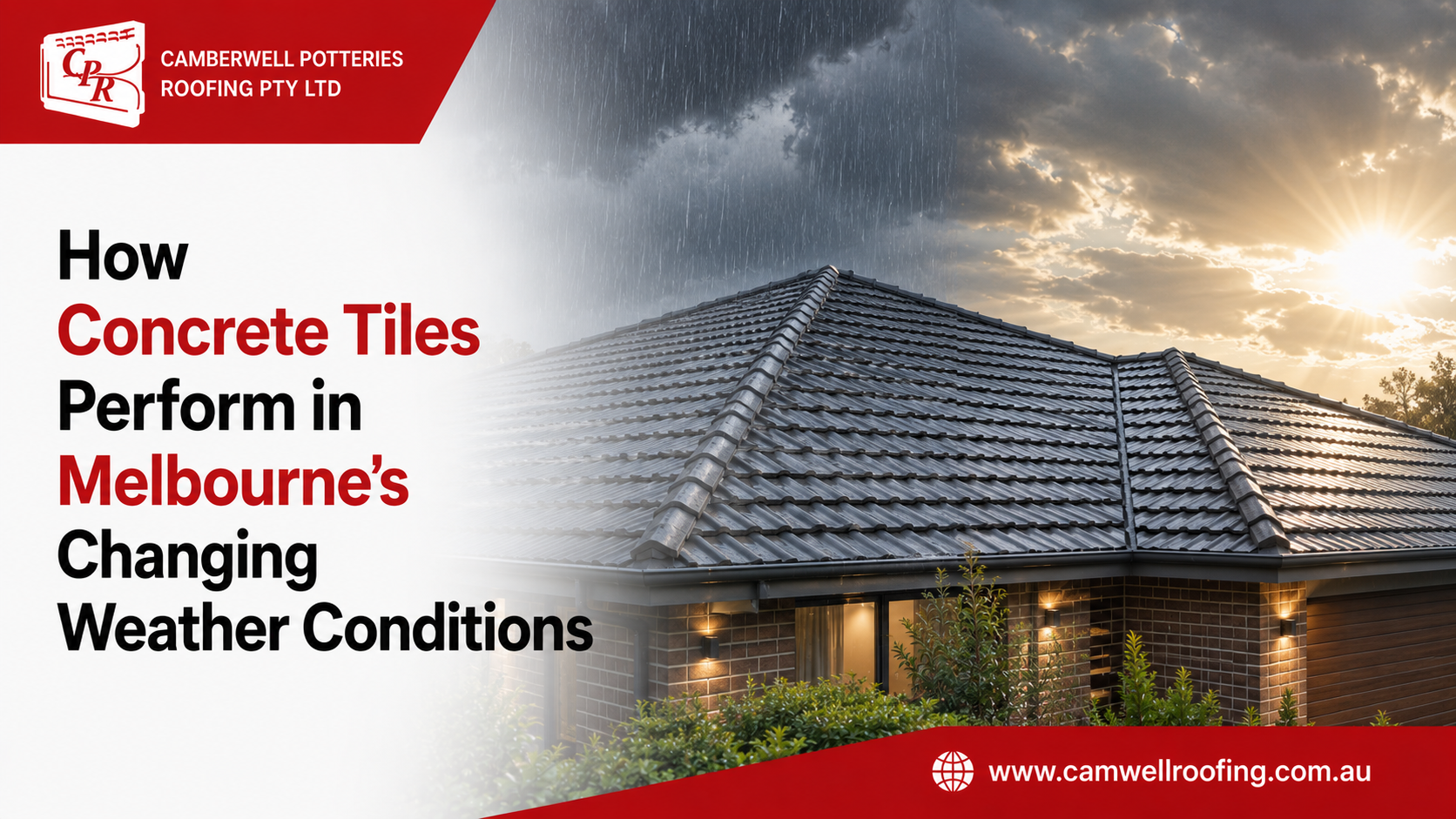
How Concrete Tiles Perform in Melbourne’s Changing Weather Conditions
Anyone who lives in Melbourne knows the drill. You leave home in a jumper, and by lunchtime you’re squinting in 35-degree heat. By dinner, it’s bucketing down.
Your roof deals with all of it on the same day. That relentless variety is the real test for any roofing material in this city. It also explains why concrete tiles in Melbourne have stayed so popular for so long.
This guide walks through how concrete tiles hold up against heat, rain, wind, and everything in between.
Why Is Melbourne So Hard on Roofs?
The problem isn’t any single weather event. It’s the constant switching between extremes.
A Melbourne roof might face all of this in one week:
- Temperature swings of 15 degrees or more within hours
- Summer heatwaves that push tile surfaces past 40 degrees
- Winter rain that hammers drainage and waterproofing
- Storm-force winds that find any weakness in the fixings
- UV exposure that never really takes a break, even in winter
That mix wears materials down in different ways. Cheap roofing cracks, corrodes, or fades within a decade. The right material shrugs it off for fifty years. So the choice you make now decides how much you’ll spend later.
What Exactly Are Concrete Roof Tiles?
They’re simpler than most people expect. Sand, cement, and water are pressed into moulds under high pressure, then cured until they’re rock-hard.
That’s it. The result is a dense, heavy tile that handles weather well.
You’ll find concrete roof tiles in a variety of shapes, from flat, modern profiles to the traditional curved look. Color is either mixed through the tile or applied as a surface coating. They’re everywhere in Australian suburbs for a good reason. Concrete tile roofing is affordable and lasts for decades.
How Do They Cope With Melbourne Summers?
This is where concrete shines. Intense sun doesn’t warp it or break it down the way it does lighter materials.
Moreover, concrete slowly absorbs heat throughout the day, then releases it after the sun sets. Your house stays cooler for longer, and your air conditioner works less.
A quick reality check on color, though. Surface coatings hold their shade for years, but some fading over time is normal. A restoration coat brings it back when needed. Through even the worst February heatwave, a good concrete roof stays structurally sound.
What Happens When the Rain Sets In?
Melbourne’s weather is less about downpours and more about persistent, soaking rain. Concrete tiles handle it well, but only when the whole system is right.
Here’s what actually keeps water out:
| Component | What it does |
| Roof pitch | Angles water off quickly before it pools |
| Underlay | A backup barrier beneath the tiles |
| Flashing | Seals the joints where leaks usually start |
| Tile overlap | Blocks wind-driven rain creeping underneath |
Most leaks are caused by poor installation, not faulty tiles. Get the fitting right, and a concrete roof stays dry for decades.
Can Concrete Tiles Handle Melbourne’s Winds?
A concrete tile is heavy, so it takes a serious gust to shift one that’s properly fixed.
Tiles need to be clipped and bedded correctly. When storm damage happens, it’s almost always old or loose fixings to blame, not the tiles.
After a rough storm, do a quick ground-level check. Look for anything slipped, cracked, or missing. Spotting one dodgy tile early beats discovering a leak three months later.
What About Temperature Swings and Hail?
The daily hot-cold cycles wear down rigid materials over time. Concrete gets around this neatly.
Each tile sits on its own, not locked into a single sheet. So the roof flexes gently as tiles expand and contract, without stress piling up anywhere. That’s a big reason these roofs last as long as they do.
Hail is rarer here, but it does arrive. Concrete resists it better than most, though a severe storm can still crack the odd tile. The fix is simple. You replace the damaged tiles individually, leaving the rest untouched.
Concrete vs Terracotta vs Colorbond
Most Melbourne homeowners weigh these three against each other. None is best. It comes down to budget, weight, and the look you’re after.
| Factor | Concrete Tiles | Terracotta Tiles | Colorbond |
| Lifespan | 50+ years | 50+ years | 40+ years |
| Weather resistance | Excellent | Excellent | Very good |
| Maintenance | Moderate | Low | Low |
| Initial cost | Lower | Higher | Moderate |
| Look | Broad range | Classic, rich | Sleek, modern |
Keeping a Concrete Roof in Good Shape
How long your roof lasts depends partly on you.
The upkeep isn’t hard:
- Get a proper inspection once a year
- Keep gutters and valleys clear of leaves
- Replace cracked or slipped tiles before they spread
- Clear moss and lichen before they trap moisture
- Book a check after any major storm
None of that costs much. All of it saves you from the big bills later.
When Does a Concrete Roof Need Attention?
A quality concrete roof lasts 50 years or more. Whether it reaches the top of that range depends on installation and care.
Some warning signs are worth knowing:
- Widespread faded color across the roof
- Multiple cracked or slipping tiles
- Leaks that keep coming back after patching
Catch it early, and a roof restoration can add years to your roof without a full rebuild. When damage is widespread, though, re-roofing is the smarter decision.
So, Are Concrete Tiles Right for Your Home?
For most Melbourne homes, yes. They take the heat, rain, wind, and constant swings this climate throws around, and they do it affordably.
Two things to keep in mind. They’re heavy, so your roof frame has to be able to support them. And heritage homes often lean toward terracotta for a classic look. A quick chat with an experienced roofing company in Melbourne helps you decide which way to go.
Book a Roof Check Before the Next Cold Snap
Concrete tiles handle Melbourne’s chaos well, but installation and maintenance determine how well they perform.
Give your roof a look now and then, especially after storms. If you’re weighing up a new roof or a restoration, get a professional opinion first. Book an inspection with the Camberwell team and talk through your concrete tile roofing options.
Frequently Asked Questions
Are concrete roof tiles suitable for Melbourne weather?
Yes. They cope with the heat, rain, wind, and temperature swings that define Melbourne weather roofing conditions.
How long do concrete roof tiles last in Australia?
50 years or more. Solid installation and regular maintenance stretch that even further.
Do concrete roof tiles crack in extreme heat?
Rarely. They resist heat and UV well, remaining sound even during the harshest heatwaves.
Are concrete tiles better than Colorbond roofing?
It depends on what you want. Concrete offers durability and thermal mass, while Colorbond suits lighter, modern designs.
Can concrete roof tiles withstand strong winds?
Yes, when fixed correctly. Their weight helps them resist lifting during Melbourne storms.
How much maintenance do concrete tile roofs require?
Not much. Annual checks, clean gutters, and prompt repairs keep them going for decades.
Do concrete tiles help with insulation?
They do. Their thermal mass slows heat transfer, keeping indoor temperatures steadier year-round.
When should a concrete tile roof be replaced?
When damage is widespread, or leaks keep returning. Isolated problems suit repairs instead.